Stay Safe from Electrical Woes at Home
Home Safety, Electrical Woes
Electrical Woes at Home: How to Stay Safe, Sane, and Shock‑Free
Flickering lights, tripping breakers, dead outlets, and mysterious burning smells can turn any home into a source of stress. As licensed electricians serving Tupelo, Amory, Corinth, Saltillo, Oxford, Fulton, Mantachie, and communities across North Mississippi, we see these issues every day. This expanded guide walks you through the most common home electrical problems, the warning signs you should never ignore, what’s safe to DIY, and when it is time to bring in a professional from S.I. Service Group—so you can protect your family, your home, and your peace of mind.
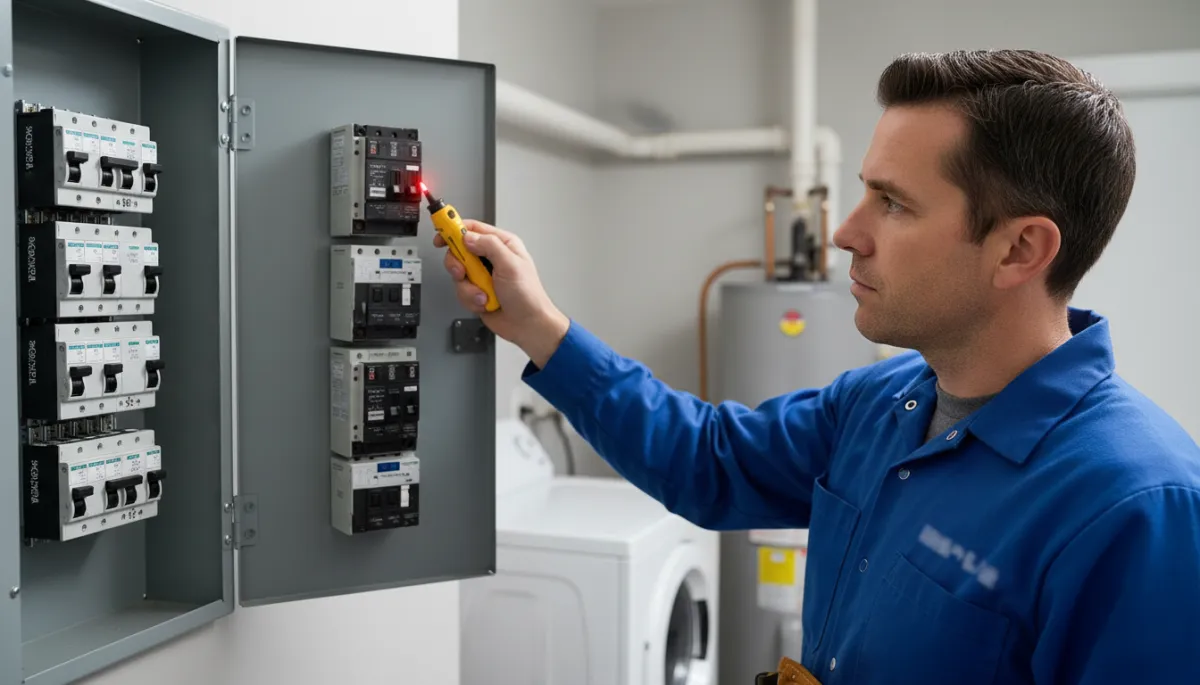
Why Electrical Woes Deserve Your Attention
As a homeowner in Tupelo, Oxford, or any town in North Mississippi, it is easy to shrug off minor electrical annoyances. A lamp that occasionally flickers, a breaker that trips “only when everything is on,” or a warm outlet plate might not feel like emergencies. Yet many serious electrical fires and shocks begin with small, ignored warning signs.
Modern homes rely on electricity for nearly everything—lighting, heating, cooling, cooking, entertainment, and working from home. In North Mississippi, where summer heat pushes air conditioners and heat pumps hard and winter cold snaps bring out space heaters, your electrical system is under constant load. When something goes wrong, it is not just inconvenient; it can be dangerous. Understanding the basics of electrical problems helps you:
- Recognize which issues are urgent safety hazards and which are simple annoyances.
- Communicate clearly with electricians so you get faster, more accurate help and fewer callbacks.
- Avoid risky DIY fixes that can make problems worse—or void insurance coverage after a fire.
- Plan ahead for upgrades like new HVAC, heat pumps, or kitchen remodels so your electrical system can safely handle the load.
Common Electrical Woes North Mississippi Homeowners Face
After years of working in homes across Tupelo, Amory, Corinth, Saltillo, Oxford, Fulton, and Mantachie, we see the same patterns repeat. The issues below are the most common—and the ones you should treat with respect.
1. Flickering or Dimming Lights
Flickering lights are one of the most visible electrical woes. Sometimes the cause is harmless, such as a loose light bulb or a poor-quality lamp. Other times, it hints at a more serious issue like loose wiring, overloaded circuits, or problems in the main service connection. We see this a lot in older homes in Corinth and Amory that were never updated for today’s electrical loads.
- Single light flickering: Try tightening or replacing the bulb. If that fails, the fixture or its wiring may be faulty and should be inspected.
- Multiple lights dimming when appliances start: Large appliances like air conditioners, heat pumps, or microwaves may be drawing heavy current on a circuit that is already near capacity.
- Whole-home flickering: If lights all over your home in Tupelo or Saltillo flicker, especially when nothing major turns on, it can indicate a serious supply or panel issue and should be checked immediately.
2. Frequently Tripping Circuit Breakers
Breakers are designed to protect you. When they trip, they are telling you something is wrong—either the circuit is overloaded, there is a short, or a ground fault has occurred. Repeatedly flipping a breaker back on without investigating the cause is like silencing a smoke alarm without checking for fire.
- Overloaded circuit: Too many devices (heaters, hairdryers, gaming consoles, window units) on one circuit. Try unplugging some items and spreading them across different outlets in other rooms.
- Short circuit or ground fault: The breaker trips immediately when you reset it, or when a particular appliance is plugged in. This requires professional diagnosis by a licensed electrician.
In homes across Fulton and Mantachie, we often find that repeated tripping is the first visible sign that the electrical panel or wiring is undersized for today’s HVAC systems, kitchen appliances, and home offices. As an individual homeowner, your safest response is to note which breaker trips, what was running at the time, and share that information with a licensed electrician. This helps us trace the problem efficiently and safely.
3. Dead Outlets and Half‑Working Rooms
Plug in a device, and nothing happens. Or half the outlets in a room work, while the others are mysteriously lifeless. Dead outlets can result from tripped GFCI outlets, loose connections, or damaged wiring behind the wall. In some older Oxford and Corinth homes, we still find backstabbed connections and worn-out receptacles that were never meant to handle decades of use.
- Check for a GFCI outlet (the ones with “Test” and “Reset” buttons) in bathrooms, kitchens, garages, and outdoor areas. Press “Reset” and see if power returns.
- If multiple outlets are dead and no GFCI is tripped, the issue may be a loose connection in a junction box or outlet upstream, which can overheat and arc.
Avoid removing outlet covers or touching wiring unless you are trained. What looks like a simple fix on a video tutorial can expose you to live conductors and hidden hazards. A licensed electrician can test, diagnose, and repair the issue with the right tools and safety gear.
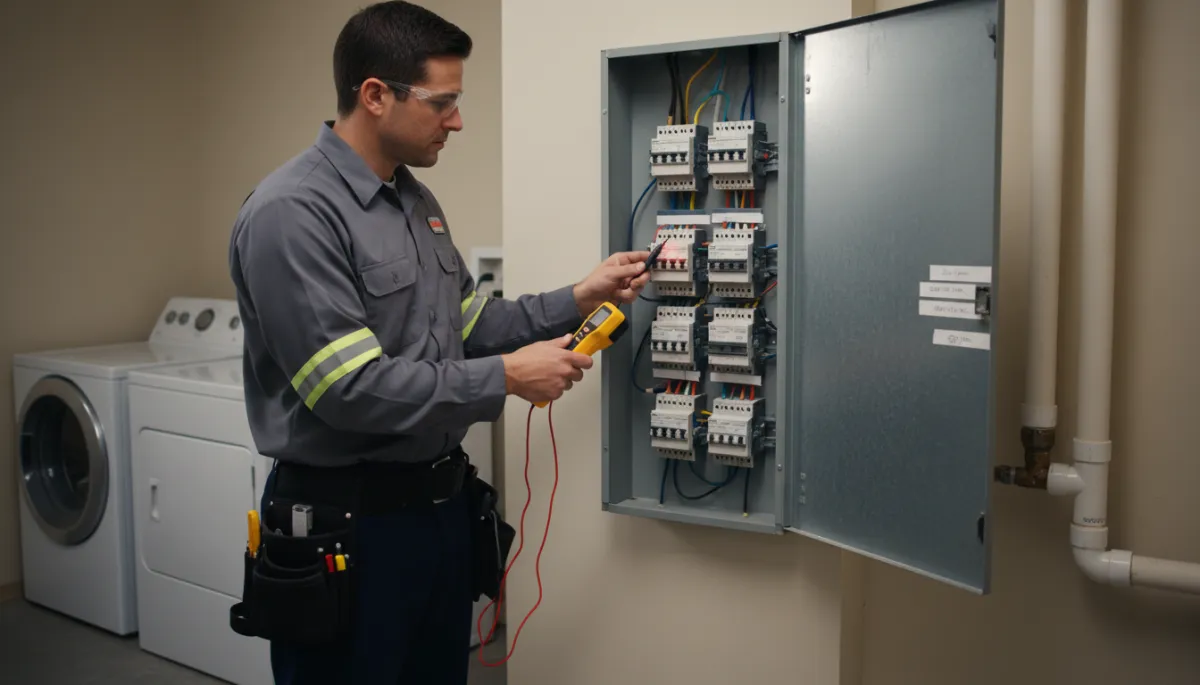
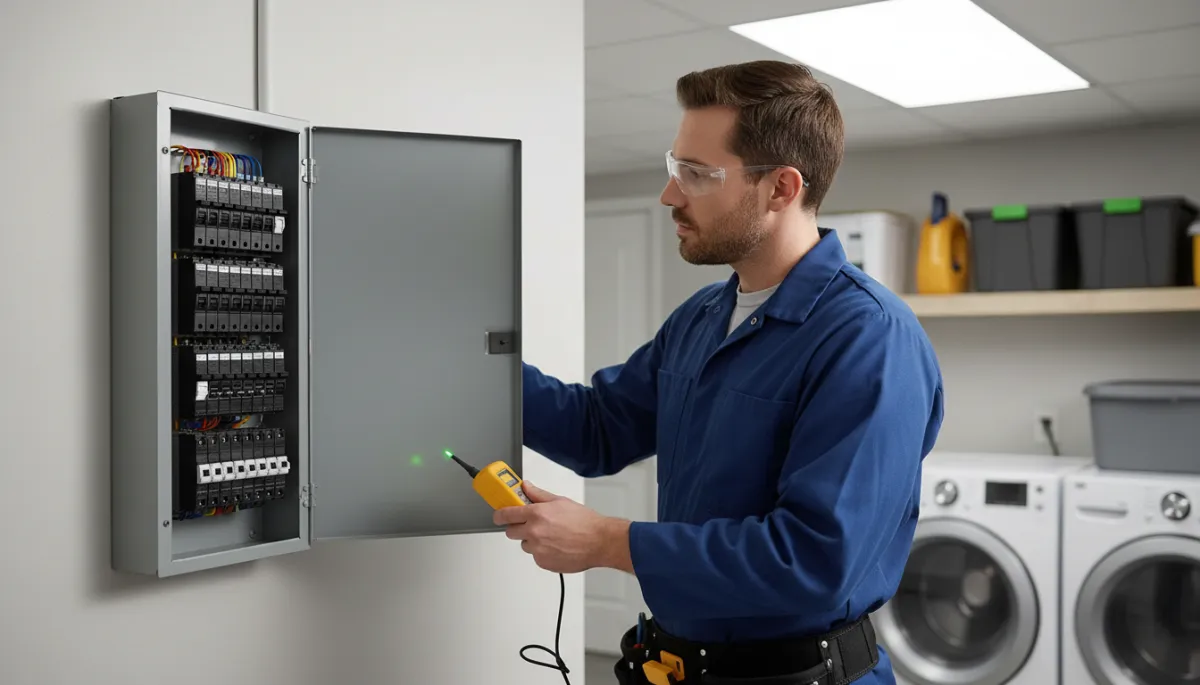
Professional testing pinpoints faults quickly and prevents guesswork and unsafe DIY attempts.
4. Warm Switches, Buzzing Sounds, or Burning Smells
Some electrical woes scream for attention without using words. A light switch that feels hot, an outlet cover that is discolored, a faint buzzing behind the wall, or a plastic‑like burning smell are all serious red flags. These may signal loose connections, arcing, or overloaded components that can ignite nearby materials. We take these calls very seriously, whether they come from a newer subdivision in Saltillo or a farmhouse outside Mantachie.
⚠️ Immediate Action: Turn off power to the affected circuit at the breaker panel, unplug devices, and call an electrician. If you see smoke or actual flames, leave the home and call emergency services. Do not try to “ride it out” or keep using the outlet.
5. Overreliance on Extension Cords and Power Strips
Many individuals quietly “solve” a lack of outlets by daisy‑chaining power strips, running extension cords under rugs, or plugging high‑demand appliances into cheap multi‑taps. While it might work for a while, it is not a long‑term solution and often masks deeper electrical shortcomings in the home.
- Heavy‑duty appliances (heaters, air fryers, hairdryers, portable ACs) should go directly into wall outlets, not power strips or extension cords.
- If every outlet in a room is used, consider adding new circuits and outlets rather than stacking more adapters. This is especially important in home offices and kids’ rooms full of electronics.
Safe First Steps When You Notice a Problem
When electrical woes appear, it is natural to feel anxious. Having a clear set of first steps helps you respond calmly and safely, even if you are not electrically savvy. These are the same steps we walk homeowners through over the phone before we arrive on site.
- Stay away from anything sparking or smoking. Do not touch the outlet, switch, or appliance. Turn off the breaker if you can do so without crossing smoke or flames. If in doubt, get everyone out and call 911.
- Unplug non‑essential devices. If breakers trip or lights dim, reduce the load by unplugging high‑wattage items like heaters, irons, and hairdryers. This is especially important during peak summer AC use in North Mississippi.
- Document what you see. Note the time, what was turned on, and which rooms were affected. Photos or short videos can help an electrician diagnose the issue faster and reduce troubleshooting time.
- Know your limits. Resetting a clearly overloaded breaker after unplugging devices is reasonable. Opening panels, rewiring outlets, or bypassing safety devices is not. If you are not sure, wait for a licensed electrician.
What’s Safe to DIY vs. What Requires a Licensed Electrician
As a veteran-owned company, we respect the DIY mindset we see in homeowners from Fulton to Mantachie. There are a few simple tasks you can safely handle yourself—but it is important to know where the line is. Electrical mistakes are unforgiving.
Generally Safe for Homeowners
- Replacing light bulbs and checking that wattage does not exceed fixture ratings.
- Resetting tripped breakers after reducing the load on the circuit.
- Pressing “Test” and “Reset” on GFCI outlets to confirm they are working.
- Plugging devices into different outlets to see if a problem follows the device or stays with the outlet.
Jobs That Should Always Be Left to a Licensed Electrician
- Adding new circuits or outlets, especially for HVAC, heat pumps, or kitchen appliances.
- Replacing or upgrading your electrical panel or breaker box.
- Troubleshooting burning smells, buzzing, or hot switches/outlets.
- Installing dedicated circuits for heat pumps, air conditioning, EV chargers, or large appliances.
- Any work inside the electrical panel or meter base.
Simple Habits to Prevent Everyday Electrical Woes and Fires
While you cannot control every wiring issue hidden behind your walls, you can adopt practical habits that reduce risk and prolong the life of your home’s electrical system. These small steps are manageable and pay off over time—whether you live in an older home in Amory or a newer build in Tupelo.
- Match bulbs to fixtures. Do not exceed the maximum wattage listed on lamps and ceiling fixtures, even if LED bulbs make it tempting to ignore labels.
- Respect water and electricity. Use GFCI‑protected outlets near sinks, in bathrooms, laundry rooms, and outdoors. Never use non‑rated extension cords in damp areas or outside.
- Give cords room to breathe. Do not run cords under rugs, pinch them in doors, or coil them tightly when in use, as this can cause overheating and damage.
- Test safety devices. Press the “Test” and “Reset” buttons on GFCI outlets and test buttons on smoke alarms and carbon monoxide detectors regularly.
- Keep combustibles away. Do not stack boxes, curtains, or furniture directly against space heaters, power strips, or overloaded outlets.
Why Choosing a Licensed Local Electrician Matters
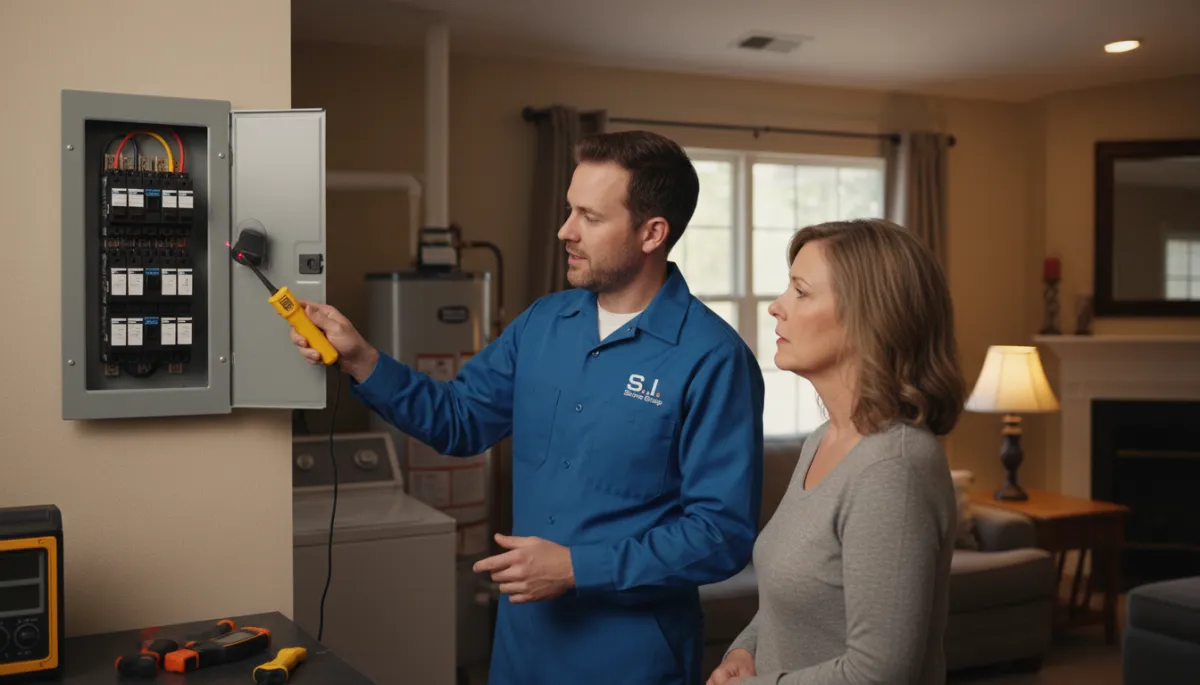
Not all electrical work is created equal. When you choose a licensed local electrician—especially one who understands North Mississippi homes and weather—you are investing in safety, reliability, and code-compliant work that will hold up over time.
- Knowledge of local codes and utilities: We work with the same inspectors and utilities in Tupelo, Corinth, Oxford, and surrounding areas every week. We know what they look for and how to do it right the first time.
- Experience with local housing stock: From older homes with outdated wiring to new construction with complex HVAC and heat pump systems, we understand the unique electrical challenges North Mississippi homes face.
- Veteran-owned, service-focused approach: At S.I. Service Group, our veteran roots show in our attention to detail, respect for your home, and commitment to doing the job safely and correctly.
FAQ: Common Electrical Safety Questions from North Mississippi Homeowners
1. How do I know if my wiring is outdated?
Signs of outdated wiring in homes around Tupelo, Amory, and Oxford include frequent breaker trips, two-prong outlets with no ground, fabric or cloth-covered wiring in the attic or crawlspace, flickering lights, and a lack of GFCI outlets in kitchens and bathrooms. If your home is more than 40 years old and has never had an electrical inspection, it is wise to schedule one with a licensed electrician.
2. What causes breakers to trip repeatedly?
Repeated tripping usually means one of three things: an overloaded circuit (too many devices on one breaker), a short circuit (hot wire touching neutral or ground), or a ground fault (current leaking to ground). Sometimes, older breakers simply wear out. A licensed electrician can test the circuit, identify the root cause, and recommend whether you need repairs, a new circuit, or a panel upgrade.
3. Is it safe to ignore flickering lights?
No. Occasional flicker from a loose bulb is one thing, but persistent flickering—especially in multiple rooms or when large appliances start—can signal loose connections or voltage issues. These problems generate heat and can lead to electrical fires. If you are seeing repeated flickering in your North Mississippi home, have it checked by a licensed electrician.
4. When should I upgrade my electrical panel?
You should consider a panel upgrade if your home still has fuses, if the panel is rusted or damaged, if you are constantly resetting breakers, or if you are adding major loads like a new HVAC system, heat pump, or EV charger. Homes in Corinth, Saltillo, and other growing areas often outgrow their original panels as families add more electronics and appliances.
5. Do I really need GFCI outlets in older homes?
Yes. Ground Fault Circuit Interrupter (GFCI) outlets are one of the simplest, most effective ways to prevent shocks around water. Current electrical code requires them in kitchens, bathrooms, laundry rooms, garages, and outdoor locations. Even if your older home was built before these rules, upgrading to GFCI protection is a smart, affordable safety improvement.
6. How often should I have my electrical system inspected?
For most North Mississippi homes, a professional electrical safety inspection every 5–10 years is a good rule of thumb. You should also schedule an inspection before buying a home, after major renovations, or when adding large equipment like new air conditioning systems or heat pumps.
7. Will electrical upgrades really help prevent fires?
Yes. Upgrading old wiring, adding GFCI and AFCI protection, installing a whole-home surge protector, and correcting overloaded circuits all reduce the risk of overheating, arcing, and electrical fires. Many of the fire hazards we find in Tupelo and surrounding areas could have been prevented with timely upgrades and inspections.
Turning Electrical Woes into a Safer, Smarter Home
Living with electricity means accepting that things will occasionally go wrong. The goal is not to eliminate every minor inconvenience but to respond wisely when warning signs appear. You do not need to become an electrician to protect your household. You simply need to:
- Pay attention to recurring or unusual electrical behavior instead of shrugging it off.
- Take safe first steps—unplug, reduce load, and shut off breakers when necessary.
- Involve qualified professionals when issues go beyond simple, obvious causes.
Electrical woes do not have to dominate your life or your anxiety. With a bit of knowledge, a few smart habits, and a willingness to call in help when needed, you can keep your home bright, comfortable, and—most importantly—safe for everyone who lives there.
Call S.I. Service Group for Licensed Electrical Help in North Mississippi
If you are noticing any of the warning signs we covered—flickering lights, hot outlets, burning smells, or breakers that will not stop tripping—do not wait for a bigger problem. Our licensed electricians at S.I. Service Group proudly serve homeowners in Tupelo, Amory, Corinth, Saltillo, Oxford, Fulton, Mantachie, and throughout North Mississippi.
To learn more about how we can help, explore our full range of electrical services and stay informed with our local guides for North Mississippi homeowners.
About the Author