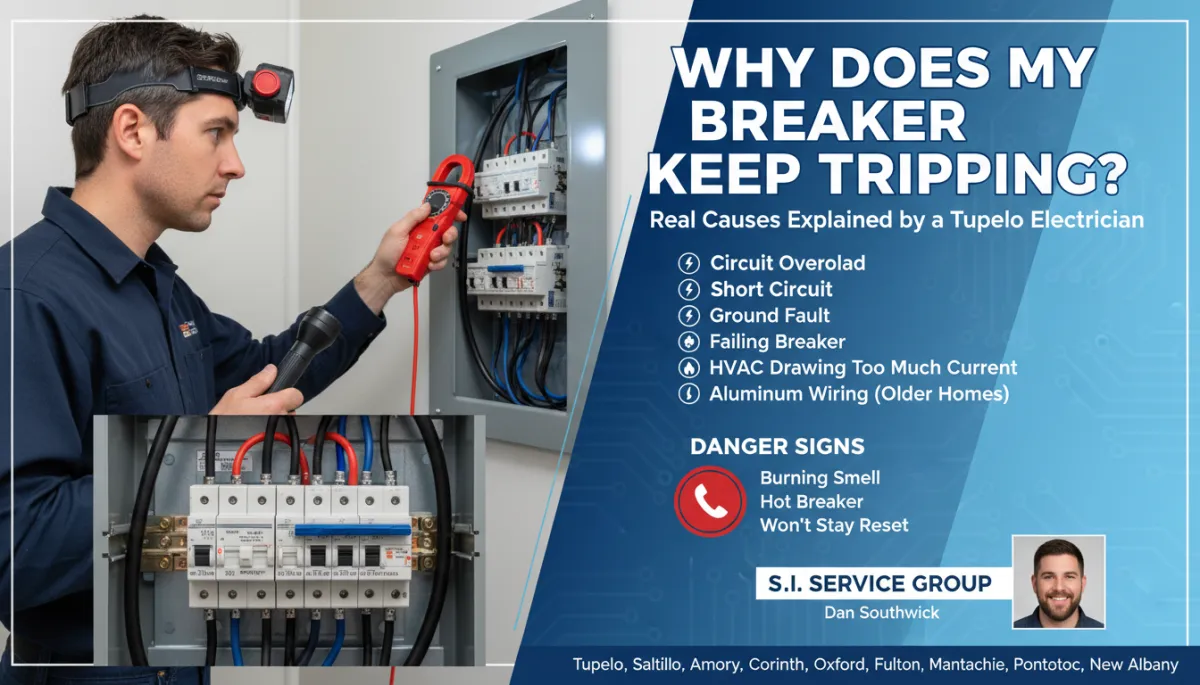
Why Your Breaker Keeps Tripping: Causes & Solutions
Home Safety, Electrical, Breaker Problems
Why Does My Breaker Keep Tripping? Real Causes Explained by a Tupelo Electrician
If a circuit breaker in your North Mississippi home keeps tripping, that is your electrical system’s way of saying, “Something is wrong—pay attention.” Resetting it over and over without understanding the cause can turn a small issue into a serious fire or shock hazard. In this safety-focused guide from S.I. Service Group in Tupelo, you will learn what repeated tripping really means, how to stay safe, and when to call a licensed electrician before someone gets hurt or your home is damaged.
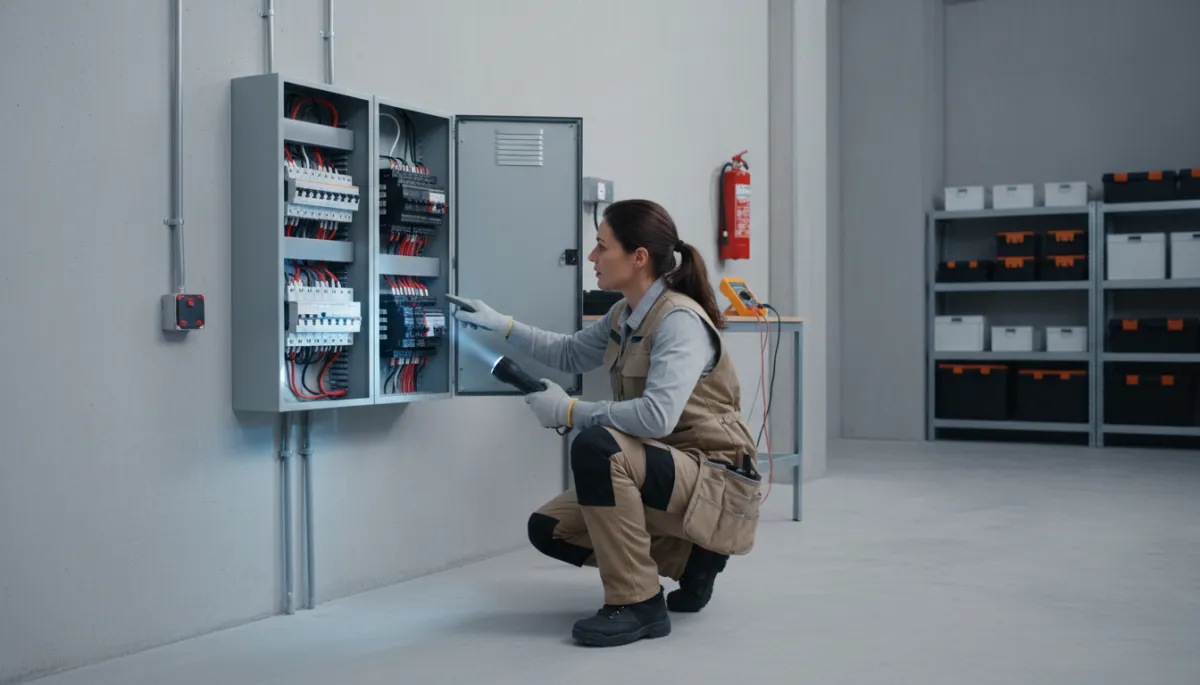
First Things First: A Tripping Breaker Is a Safety Device Doing Its Job
Circuit breakers are not an inconvenience; they are life-safety devices. When everything is working correctly, a breaker quietly monitors how much electrical current is flowing through a circuit in your Tupelo, Saltillo, or Pontotoc home. If that current rises to a dangerous level, the breaker “trips” and shuts the power off to prevent:
- Overheating wires hidden in your walls and attic
- Electrical fires caused by damaged insulation or loose connections
- Electric shock and electrocution hazards to your family and pets
Inside the breaker, a combination of thermal and magnetic protection senses when current exceeds safe limits. Instead of letting wires cook inside your walls, the breaker snaps off. When a breaker keeps tripping in Tupelo, MS or anywhere in North Mississippi, it is almost always a symptom of a real problem—not the problem itself.
Real Causes Ranked by Danger: Why Your Breaker Keeps Tripping
Not all breaker trips are equally dangerous. Some are inconvenient but relatively low risk; others are urgent emergencies. Below are the most common causes of circuit breaker tripping in North Mississippi, ranked from most dangerous to least dangerous. Any of them can be serious if ignored, but this ranking will help you understand which situations demand immediate professional help from a licensed electrician in Tupelo, Amory, Corinth, Oxford, and surrounding communities.
1. Short Circuit (Very High Danger)
A short circuit happens when a hot (live) wire touches another hot wire or a neutral wire directly. This bypasses the normal load—like lights, outlets, or appliances—and lets a huge amount of current rush through almost instantly. The breaker responds by tripping as fast as it can, but during that moment:
- Wires can get extremely hot in a fraction of a second
- Sparks or arcing can ignite nearby insulation or dust
Short circuits are often caused by damaged wiring, a loose connection, a failed device, or a nail or screw driven into a hidden cable. Because they involve sudden, extreme current, short circuits are among the most dangerous reasons a breaker keeps tripping in Tupelo, MS homes.
2. Ground Fault (Very High Danger, Especially in Wet Areas)
A ground fault happens when a hot wire touches a ground wire, a metal box, or another grounded surface. In simple terms, electricity is taking a shortcut to the earth instead of returning safely on the neutral wire. This is especially dangerous in:
- Bathrooms, kitchens, and laundry rooms in homes from Fulton to New Albany
- Outdoor outlets and pool equipment in Mantachie, Pontotoc, and rural areas
Ground faults can cause severe shock if someone becomes part of the path to ground. This is why GFCI (ground fault circuit interrupter) outlets and breakers are required by code in wet locations—they trip quickly to protect people from electrocution.
3. Arc Fault (High Danger, Hidden Fire Risk)
An arc fault occurs when electricity jumps across a gap—like at a loose connection, damaged cord, or cracked wire. Instead of a clean flow, the current “arcs,” producing intense heat that can ignite nearby materials. Modern homes often have AFCI (arc-fault circuit interrupter) breakers that trip when they detect this dangerous signature. Common causes include:
- Loose outlets or switches that wiggle when you plug in a device
- Damaged extension cords run under rugs or furniture
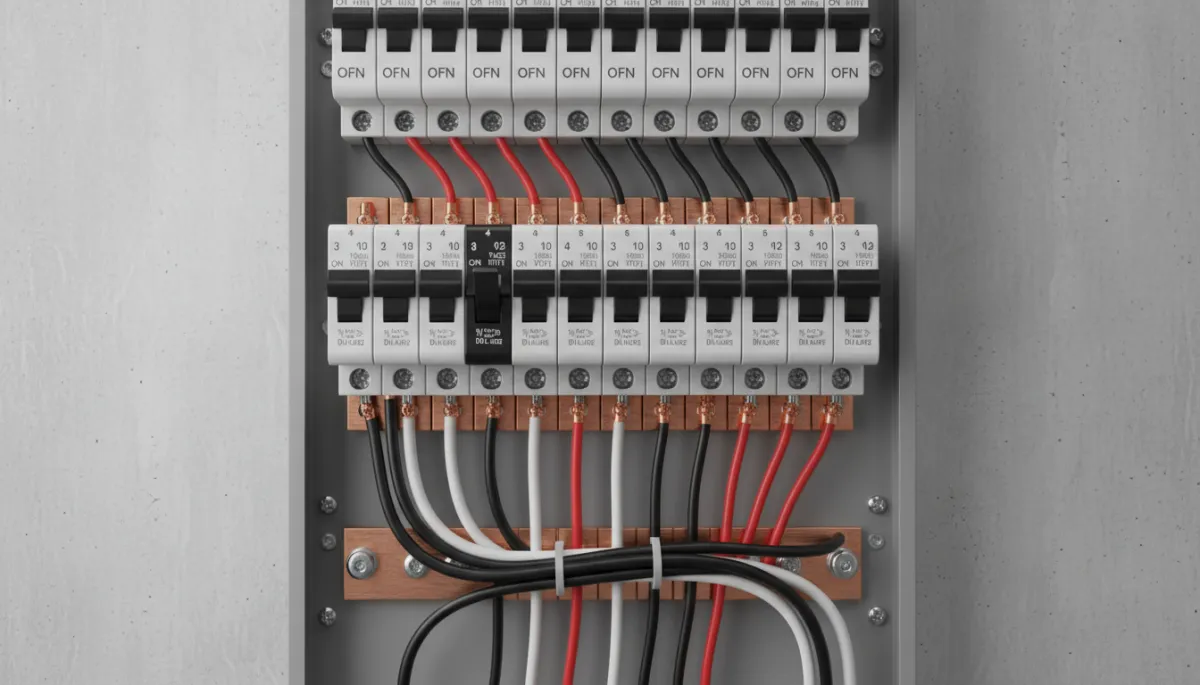
A breaker in the middle position is a clear sign it has tripped to stop a hazard.
4. Aluminum Wiring in Older Homes (High Danger Over Time)
Many homes built in the 1960s and 1970s in North Mississippi—including parts of Tupelo, Corinth, and surrounding towns—used aluminum branch-circuit wiring. Aluminum expands and contracts more than copper, and it oxidizes differently. Over time, this can lead to:
- Loose connections at outlets, switches, and breakers
- Overheating at connection points and potential arcing
Breakers may trip more often as these connections deteriorate. Aluminum wiring issues are a known fire hazard and should always be evaluated and corrected by a licensed electrician familiar with safe repair methods.
5. HVAC Drawing Too Much Current (Moderate to High Danger)
Your air conditioner or heat pump is one of the largest electrical loads in your home. In hot North Mississippi summers, a failing compressor, weak capacitor, or undersized circuit can cause the HVAC unit to draw more current than it should, especially at startup. Signs include:
- Breaker trips when the AC kicks on, especially on hotter days
- Lights dim noticeably when the system starts, followed by a trip
This is more than just a comfort issue. Repeated tripping on an HVAC circuit can mean both electrical risk and impending HVAC failure. A coordinated check by a licensed electrician and HVAC technician is the safest course of action.
6. Circuit Overload (Moderate Danger, Very Common)
A circuit overload happens when you simply have too many things running on one circuit—space heaters, hair dryers, microwaves, window AC units, and power tools are common culprits in homes from Oxford to Fulton. The total current draw climbs above what the breaker and wiring are designed to handle, so the breaker trips to prevent overheating.
Overloads are extremely common and, by themselves, not as immediately dangerous as shorts or ground faults. However, repeated overloading weakens outlets, cords, and connections over time, increasing the risk of arcing and fire later if nothing is corrected.
7. Failing or Worn-Out Breaker (Lower Danger, But Still Serious)
Breakers themselves can wear out, especially in older panels or where circuits have been heavily used for years. A failing breaker may:
- Trip more easily than it should, even at normal loads, or
- Fail to trip when it should, which is even more dangerous
If a licensed electrician determines that the breaker is the problem, replacing it with the correct, listed breaker for your panel is usually straightforward. However, nuisance trips are often a symptom of deeper wiring or panel issues, not just a bad breaker.
How to Tell the Difference Between These Causes (Without Putting Yourself at Risk)
Only a trained electrician with proper tools should open your panel and test live wiring. However, as a homeowner in Tupelo, Saltillo, Amory, or any North Mississippi town, you can safely observe a few clues that help point toward the likely cause—without touching wiring or removing panel covers.
Signs Pointing to an Overloaded Circuit
- The breaker trips when multiple high-wattage devices are used together (for example, space heater + vacuum + hair dryer).
- Turning one of those devices off stops the tripping.
- Outlets and cords are warm but not scorching hot, and there is no burning smell.
Signs of a Short Circuit or Ground Fault
- The breaker trips instantly when you plug in or turn on a specific device or light.
- You may hear a pop or see a tiny flash at the outlet or switch.
- GFCI outlets in the same area are also tripping, especially near water.
Signs of an Arc Fault or Aluminum Wiring Issue
- AFCI breaker trips when you plug in or move certain devices, or when cords are flexed or jiggled.
- Outlets or switches may feel loose or make crackling sounds when used.
- You know your home has aluminum wiring, or it was built in the late 1960s–1970s.
Signs the HVAC Circuit Is Involved
- Breaker trips only when the AC, heat pump, or electric heat turns on, not during other times.
- The outdoor unit or air handler struggles to start, hums, or shuts off quickly after starting.
Signs of a Failing Breaker or Panel Problem
- Breaker feels loose in the panel or the handle is wobbly or mushy when you move it.
- Breaker trips at random times, even when very little is plugged in.
- You see rust, corrosion, or signs of water intrusion in the panel.
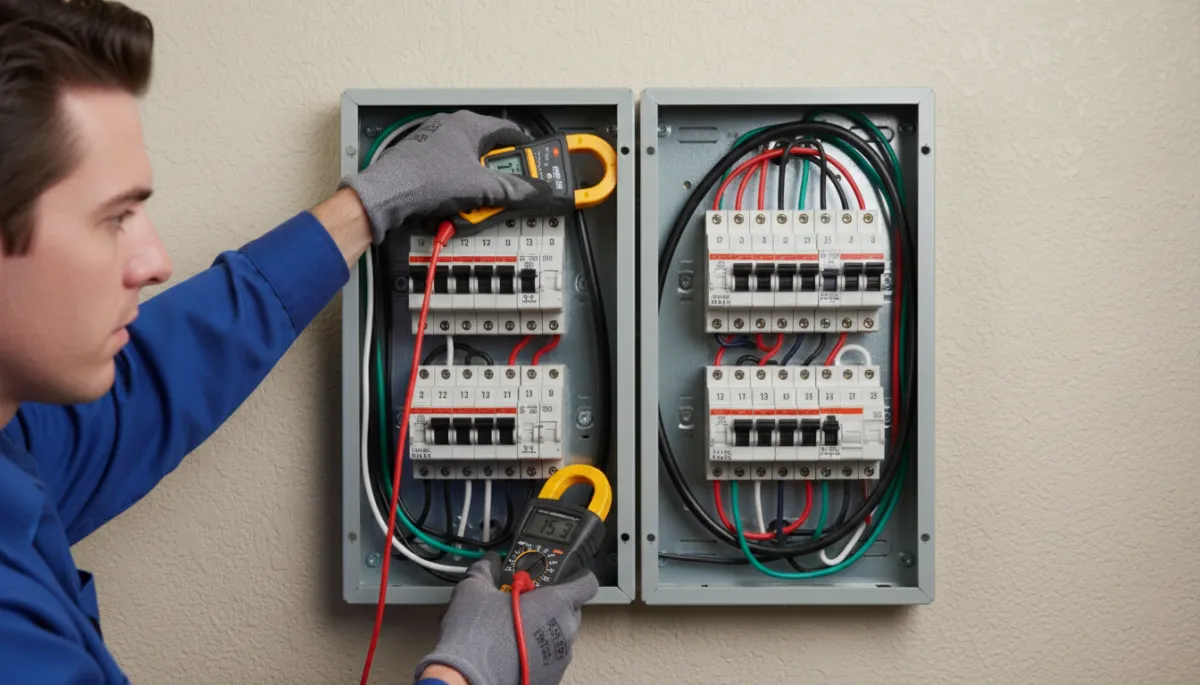
Professional testing pinpoints whether tripping is caused by wiring, loads, or the breaker itself.
The Safe Way to Reset a Tripped Breaker (And When to Stop Trying)
If your breaker has tripped, follow this safe reset procedure. If anything feels wrong at any step, stop and call a licensed electrician serving Tupelo, Saltillo, Amory, Corinth, Oxford, Fulton, Mantachie, Pontotoc, or New Albany right away at 662-523-5514.
- Unplug or turn off devices on that circuit. Reduce the load before you reset. This helps prevent an immediate re-trip and reduces stress on outlets and cords.
- Go to your electrical panel and stand on a dry floor with dry hands. If the panel is in a damp basement, garage, or utility room, make sure you are not standing in water or on a wet surface.
- Identify the tripped breaker. It will usually be in the middle position—not fully ON or OFF—or clearly labeled as tripped. Some brands have a small colored indicator window.
- Firmly switch it all the way OFF first. Breakers often will not reset correctly unless you fully move them to OFF before turning them back ON.
- Then switch it back to ON. Use steady pressure. If it trips immediately or will not stay in the ON position, do not force it.
If the breaker stays on, plug devices back in one at a time. If it trips again when a specific device is used, stop using that device and have it inspected or replaced. If the breaker will not stay on, or if you see or smell anything suspicious, it is time to stop resetting and call an electrician.
Danger Signs That Require an Immediate Call to an Electrician
Some breaker problems move from “annoying” to “dangerous” very quickly. If you notice any of these warning signs, stop resetting the breaker and call S.I. Service Group at 662-523-5514 immediately for service in Tupelo or anywhere in North Mississippi.
- Burning smell near the panel, outlets, or switches, especially a hot plastic or smoky odor.
- Hot breaker to the touch, or a panel cover that feels unusually warm in one area.
- Scorch marks or discoloration on the breaker, around outlets, or on the panel cover itself.
- Breaker will not stay reset and trips instantly every time you try to turn it back on, even with everything unplugged.
- Sparking, buzzing, or crackling sounds from the panel or any outlet or switch on that circuit.
When a Tripping Breaker Means a Panel Problem, Not Just a Circuit Issue
Sometimes the real danger is not in the branch circuit wiring or the devices you plug in, but in the breaker panel itself. Older or compromised panels can turn a simple breaker trip into a serious safety concern. Warning signs your panel may be the problem include:
- Multiple breakers in different areas of the home trip frequently for no clear reason.
- Rust, corrosion, or water stains inside or around the panel door, often from roof or plumbing leaks in Tupelo and surrounding areas.
- Breakers that are hot, discolored, or have melted plastic around them.
- An outdated or recalled panel brand that is known to have safety issues.
In these cases, a simple breaker replacement is not enough. You may need an electrical panel upgrade to bring your home up to modern safety standards and provide enough capacity for today’s appliances, HVAC systems, and electronics.
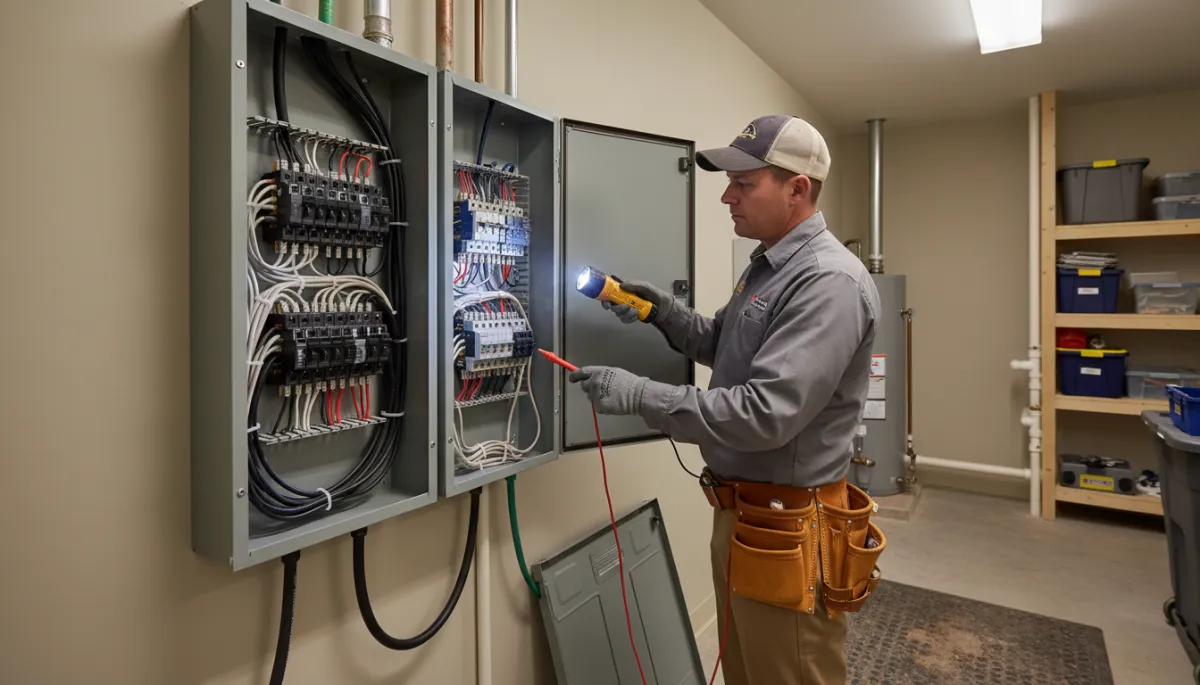
A professional panel inspection can reveal hidden issues before they become fire hazards.
To learn more about panel warning signs, read our detailed guide: Signs You Need an Electrician for Your Breaker Panel in Tupelo.
Professional Help for a Breaker That Keeps Tripping in North Mississippi
If your breaker keeps tripping in Tupelo, MS, or anywhere in North Mississippi, the safest step you can take is to have a qualified electrician evaluate the situation. At S.I. Service Group, we provide comprehensive electrical services for homeowners in Tupelo, Saltillo, Amory, Corinth, Oxford, Fulton, Mantachie, Pontotoc, and New Albany, with a strong focus on protecting your family and your home.
Our licensed electricians use professional testing equipment, including clamp meters, insulation testers, and advanced diagnostic tools, to identify whether the problem is:
- A simple overload that can be solved by redistributing loads or adding circuits
- A damaged device, outlet, or switch that needs replacement
- A wiring problem, including aluminum wiring or loose connections that require repair
- A failing breaker or panel that calls for professional upgrades
Do not wait for a small nuisance to turn into an emergency. If you are searching for help with circuit breaker tripping in North Mississippi, we are here to respond quickly and safely.
FAQ: Breakers That Keep Tripping in Tupelo and North Mississippi Homes
1. Is it safe to keep resetting a breaker that keeps tripping?
Resetting a breaker once after an obvious overload—like running too many appliances at once—is usually fine. But if the breaker keeps tripping, especially right away, it is not safe to keep resetting it. Each trip is a sign of overheating, a fault, or failing equipment. Repeatedly forcing it back on can allow dangerous conditions to build up, increasing the risk of fire or shock. After one or two trips, it is time to call a licensed electrician to investigate the cause.
2. How do I know if my breaker is bad or if the wiring is the problem?
A bad breaker may feel loose, fail to latch in the ON position, or trip at low loads that are clearly below its rating. However, many of the same symptoms can also be caused by wiring issues, loose connections, or failing devices on the circuit. The only safe way to know for sure is to have a licensed electrician perform tests at the panel and along the circuit. Replacing a breaker without diagnosing the root cause can leave a dangerous wiring problem hidden in your walls.
3. My space heater keeps tripping the breaker. What should I do?
Space heaters draw a lot of current and commonly overload circuits in older homes in Tupelo, Amory, and nearby areas. First, plug the heater directly into a wall outlet—never a power strip—and avoid running other large loads on the same circuit. If the breaker still trips, stop using the heater on that circuit. You may need a dedicated circuit or additional outlets installed by a professional. Continuing to run a space heater on an overloaded circuit is a major fire hazard, especially in bedrooms and living rooms with rugs and furniture.
4. Could my constantly tripping breaker be caused by my old electrical panel?
Yes. If your panel is decades old, corroded, overcrowded with tandem breakers, or a brand known for safety issues, it can absolutely contribute to nuisance tripping and more serious hazards. Aging panels may not grip breakers tightly, and internal connections can loosen or overheat. If your home has frequent unexplained trips across multiple circuits, it is wise to schedule a panel evaluation and possibly an electrical panel upgrade.
5. What should I do if my breaker trips and I smell something burning?
A burning smell is a serious red flag. Turn the breaker to OFF and leave it off. Do not attempt to reset it. If you can safely do so, unplug devices on that circuit and avoid using any outlets or switches in the affected area. Then call S.I. Service Group at 662-523-5514 for emergency service. If you see smoke or flames, evacuate your home immediately and call 911 before calling an electrician.
6. Is it normal for my lights to flicker when the breaker trips or resets?
Brief flickering when a large load like an air conditioner starts can be normal, but frequent or severe flickering—especially combined with breaker trips—is not. It can indicate loose connections, overloaded circuits, or panel issues. Because flickering can be an early sign of overheating or arcing, it is important to have an electrician check your system before the problem worsens.
7. Do I need an electrician even if the breaker eventually stays on?
If a breaker trips once after an obvious overload and never again, you may be fine after adjusting how you use that circuit. But if a breaker has tripped multiple times, even if it eventually stays on, it is wise to have it checked. Each trip is a sign that your system was pushed beyond safe limits. An electrician can confirm whether your wiring, outlets, and panel are still in good condition or if upgrades are needed to maintain safety.
Protect Your Home and Family: Call S.I. Service Group Today
A breaker that keeps tripping is not just an annoyance—it is a warning that your electrical system needs attention. Whether the cause is a simple overload, a failing appliance, aluminum wiring, or a panel that has reached the end of its safe life, ignoring repeated trips can put your home and family at risk.
If you are dealing with breaker keeps tripping issues in Tupelo, Saltillo, Amory, Corinth, Oxford, Fulton, Mantachie, Pontotoc, or New Albany, S.I. Service Group is ready to help with prompt, safety-first electrical service. We will inspect your system, explain our findings in plain language, and give you clear options to correct the problem the right way.
About the Author: Dan Southwick, S.I. Service Group
Dan Southwick is a licensed electrician and the owner of S.I. Service Group, serving homeowners across Tupelo and North Mississippi. With years of hands-on experience troubleshooting breaker problems, upgrading electrical panels, and improving home electrical safety, Dan is committed to helping families understand what is happening behind their walls—before a small issue becomes a serious hazard. When he is not on a service call, Dan enjoys educating local homeowners through practical, safety-focused articles and resources on topics like circuit breaker tripping, panel upgrades, and whole-home electrical inspections.