
5 Warning Signs Your AC May Quit This Summer
Home Comfort, AC Repair, HVAC Tupelo MS
5 Warning Signs Your AC Is About to Quit This Summer (Don't Ignore These)
It’s a 95° August afternoon in Tupelo, the humidity feels like a wet blanket, and suddenly your air feels… not so cold. If your AC quits in the middle of a North Mississippi heat wave, your home can go from comfortable to miserable in a hurry. The good news? Your system usually sends up flares before it completely gives out—if you know what to look for.
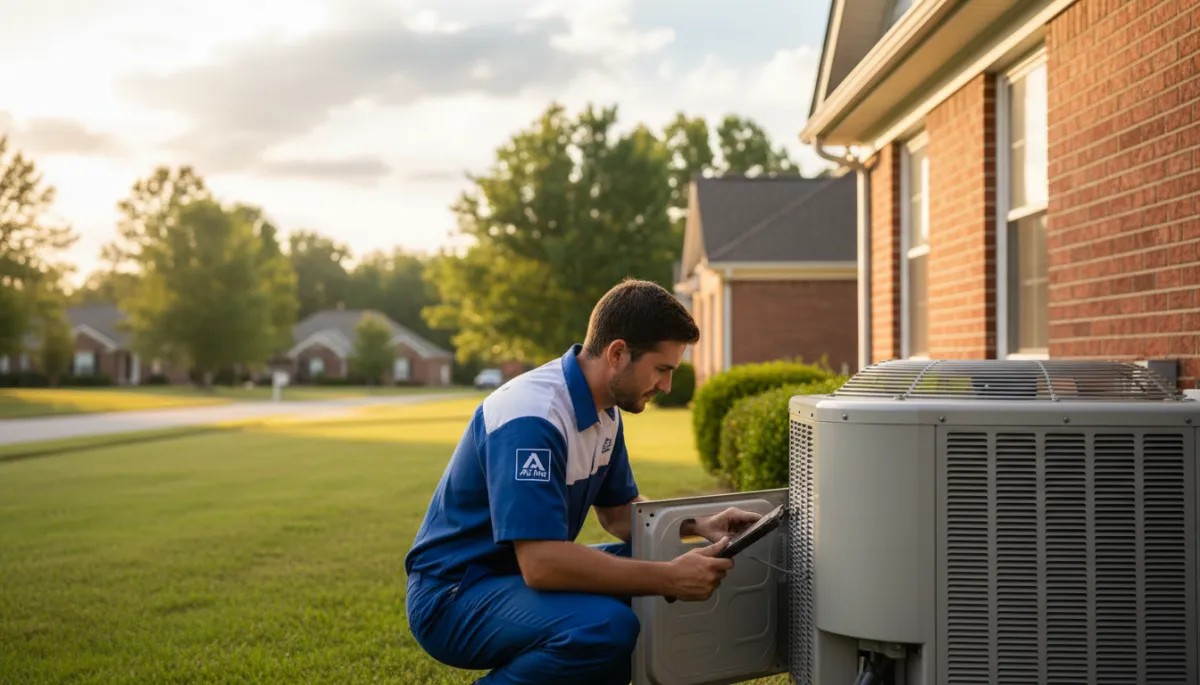
If you’re a homeowner in Tupelo or anywhere in North Mississippi—Amory, Corinth, Saltillo, Oxford, Fulton, Mantachie—your air conditioner works overtime every summer. Between the brutal heat and sticky humidity, our systems don’t get much of a break. That’s why catching early warning signs—and calling for AC repair Tupelo MS before a total breakdown—can save you money, stress, and a whole lot of sweat.
As a veteran-owned local company, S.I. Service Group treats every home like it belongs to a neighbor or fellow servicemember. We’ve seen the same patterns play out again and again across North Mississippi: small warning signs get ignored, and then the system quits on the hottest Saturday of the year when every HVAC company is booked solid. This guide walks you through the top five signs your system is asking for help—plus what usually causes them, what happens if you ignore them, and what a trained technician actually does to fix the problem.
1. Unusual Noises Coming from Your AC
Your AC should mostly sound like a low, steady hum. If you start hearing grinding, screeching, banging, or loud rattling, that’s your system crying out for help. In plain English, unusual noises usually mean something is loose, worn out, or struggling to run the way it should.
- Grinding or screeching can point to a failing motor or worn bearings.
- Banging or clanking may mean a loose part is knocking around inside the unit.
- Loud rattling might be as simple as a panel or screw that’s come loose—but it can lead to bigger issues if ignored.
Why it happens: Parts wear down faster in our climate because the system runs so often. A fan blade can get bent, a motor can start to fail, or debris can get inside the outdoor unit after a North Mississippi thunderstorm. In places like Amory or Mantachie, where yards are surrounded by trees and pine straw, it’s common for sticks, leaves, or even small toys to get pulled against the outdoor fan guard and cause vibration or scraping noises.
Inside the house, noises can come from the air handler—the indoor portion of your system. A loose blower wheel, worn belt (on older systems), or failing blower motor can all make sounds that are hard to ignore. When bearings run dry or motors overheat, they’ll often scream or whine before they finally lock up.
“If your AC starts sounding like a washing machine full of rocks, it’s not ‘just getting old’—it’s asking for help.”
— S.I. Service Group Technician, Tupelo
What happens if you ignore it: That annoying rattle or squeal can quickly turn into a major failure. A loose fan blade can break and damage the coil. A failing motor can overheat and trip breakers, or even damage your electrical system. In one Corinth home we serviced, a homeowner ignored a banging noise for weeks—by the time we arrived, the loose component had damaged the compressor, turning a minor repair into a multi-thousand-dollar replacement.
What a technician does to fix it: When you call for HVAC repair North Mississippi, a trained tech will:
- Carefully listen to where the noise is coming from—indoor unit, outdoor unit, or ductwork.
- Inspect fan blades, blower wheels, and motors for cracks, looseness, or wobble.
- Check mounting hardware and panels, tightening or replacing screws and brackets as needed.
- Test electrical components—capacitors, contactors, and motors—to see if they’re drawing the right amperage.
Depending on what they find, they may tighten hardware, replace a failing motor, balance or replace a fan blade, or clear out debris. Catching it early often means a quick, affordable repair instead of a full system replacement.
2. Warm Air Blowing When It Should Be Cold
Few things are more frustrating than standing at the vent on a 96° Tupelo afternoon, expecting a blast of cool air, and instead getting… lukewarm. If your air conditioner not cooling like it used to, don’t just keep lowering the thermostat and hoping for the best.

Warm air from your vents is one of the clearest early signs of AC trouble.
Why it happens: In simple terms, your AC isn’t able to move heat out of your home the way it should. That could be due to low refrigerant, a dirty coil, a clogged air filter, or a failing compressor. In our Mississippi humidity, coils can also freeze over if airflow is restricted, which stops cooling altogether.
In older homes in Oxford or Fulton, we often find kinked or undersized refrigerant lines, or ductwork that leaks so badly the system can’t deliver enough cool air to the rooms that need it. In newer subdivisions around Saltillo and Tupelo, we sometimes see systems that were never properly charged with refrigerant from day one, so they’ve struggled from the start.
What happens if you ignore it: When your system is blowing warm or barely cool air, it has to run longer and longer to try to hit the temperature on the thermostat. That extra run time:
- Drives up your electric bill every month.
- Puts extra wear and tear on the compressor—the “heart” of your system.
- Can lead to frozen coils, water leaks, and even damage to your home if condensate overflows.
We often get calls from homeowners in Amory or Corinth who say, “It’s been not-cooling-right for a while, but now it’s barely doing anything.” By that point, a simple refrigerant leak that could’ve been repaired early may have caused the compressor to fail from running hot and low on charge.
What to do yourself first:
- Check your air filter and replace it if it’s dirty or gray.
- Make sure your thermostat is set to “cool” and not “fan” or “heat.”
- Ensure supply vents are open and return air grilles aren’t blocked by furniture or rugs.
If it still blows warm, it’s time for professional air conditioning service Mississippi to track down the real cause. The longer you run an AC that’s not cooling properly, the more strain you put on expensive parts.
What a technician does to fix it: During a cooling problem call, an S.I. Service Group tech will usually:
- Measure temperature difference between return and supply air to see how well the system is cooling.
- Inspect the indoor evaporator coil and outdoor condenser coil for dirt, ice, or physical damage.
- Check refrigerant pressures and temperatures to see if the system is correctly charged or if there’s a leak.
- Test the compressor, capacitors, and fan motors for proper operation.
From there, they may clean the coils, repair a refrigerant leak and recharge the system, correct airflow issues, or recommend repair vs. replacement if the unit is very old or the compressor is failing. For a deeper dive on that decision, check out our guide: Repair or Replace Your AC? Tupelo, MS Homeowner’s Guide.
3. Skyrocketing Electric Bills (Without a Good Reason)
Sure, we all expect higher power bills in July and August. But if your bill suddenly jumps way higher than last summer—and you’re not doing anything different—that’s a big red flag that your AC is working harder than it should to keep up.
Why it happens: As parts wear out or get dirty, your system has to run longer and more often to cool your home. Think of it like driving your car with the parking brake halfway on—you’ll burn more gas to go the same distance. A dirty outdoor unit, low refrigerant, leaky ductwork, or an aging compressor can all drive your energy use through the roof.
In North Mississippi, we often see:
- Clogged condenser coils on outdoor units in dusty or grassy areas like Mantachie and Fulton, where lawn clippings and cottonwood fluff choke off airflow.
- Leaky or uninsulated ductwork in older homes around Corinth and Amory, where cooled air is dumped into hot attics or crawlspaces instead of your living room.
- Oversized systems installed years ago that short-cycle and never run efficiently, especially in remodeled homes in Oxford and Tupelo.
What happens if you ignore it: You’ll pay for it every single month—sometimes hundreds of dollars extra over the course of a summer. But high energy bills are more than a wallet issue; they’re a symptom. An inefficient system is usually straining, which shortens its lifespan and increases the chances of a sudden breakdown when you least expect it.

We’ve seen homeowners in Saltillo and Tupelo knock 10–30% off their power bills after a thorough system cleaning and ductwork repair. That’s money back in your pocket every month, not just a one-time fix.
What a technician does to fix it: During a maintenance visit or efficiency check, your technician will:
- Clean the outdoor condenser coil and indoor evaporator coil to improve heat transfer.
- Verify refrigerant levels and correct charge if needed (after addressing any leaks).
- Inspect ductwork for major leaks, disconnected runs, or missing insulation and recommend repairs.
- Check your thermostat settings and wiring, and suggest smart thermostat upgrades if appropriate.
If your system is 12–15+ years old and constantly driving up your bills, they may also walk you through replacement options, including high-efficiency air conditioning systems or dual-purpose heat pumps that heat and cool your home more efficiently.
4. Excessive Humidity Inside Your Home
We live in one of the most humid parts of the country. Your AC’s job isn’t just to cool the air—it’s also supposed to pull moisture out. If your house still feels sticky, clammy, or you notice foggy windows and that “damp” feeling, your system may be struggling.
Why it happens: When an AC is oversized, short-cycling, low on refrigerant, or has dirty coils, it doesn’t run long enough or efficiently enough to properly dehumidify. In North Mississippi summers, that means you can have a thermostat that says 72°, but your skin says, “This can’t be right.”
We frequently see this in Oxford and Tupelo homes that were renovated or added onto. A system that was sized for the original square footage may now be too small or too large for the updated layout. In rural areas around Fulton, Mantachie, and Amory, high groundwater and crawlspace moisture can compound the problem, making homes feel damp even when the AC is running.
What to do: If you’re constantly battling that muggy feeling, ask a trusted HVAC Tupelo MS technician to check your system’s performance. Sometimes a thorough cleaning and tune-up restore proper dehumidification; other times, duct or equipment issues need attention. Either way, ignoring humidity can lead to mold, musty odors, and damage to your home over time.
Signs your humidity is too high include:
- Condensation on windows or glass doors, especially in the morning.
- A musty smell in closets, bathrooms, or near vents.
- Sticky skin and difficulty sleeping, even when the thermostat is set low.
What a technician does to fix it: To tackle humidity issues, your S.I. Service Group tech may:
- Measure indoor humidity levels with a hygrometer to see how far out of range you are (ideal is typically 40–50%).
- Inspect the evaporator coil and blower for dirt that may be restricting airflow and dehumidification.
- Check the condensate drain line and pan to ensure moisture is draining properly and not backing up.
- Evaluate system sizing, duct design, and run times to determine whether the equipment is correctly matched to your home.
Solutions can range from cleaning and minor repairs to adding supplemental dehumidification, sealing duct leaks, or upgrading to a properly sized air conditioning or heat pump system that’s designed to handle both temperature and moisture in our climate.
5. Frequent Cycling On and Off
Your AC should run in reasonably steady cycles—come on, cool the house, then shut off for a bit. If it’s constantly turning on and off every few minutes, especially during a typical hot Tupelo afternoon, that’s called “short cycling,” and it’s a sign something’s off.
Regular maintenance keeps your AC running smoothly instead of constantly cycling on and off.
Why it happens: Short cycling can be caused by an oversized system, a clogged filter, low refrigerant, thermostat issues, or overheating components that shut down for safety. Every start-up is hard on your equipment, so frequent cycling wears parts out faster and wastes energy.
In neighborhoods across Saltillo, Corinth, and Tupelo, we often find thermostats installed in poor locations—like right next to a supply vent or in direct sunlight. That can trick the thermostat into thinking the home is cooler or hotter than it really is, causing rapid cycling. In some Amory and Mantachie homes, attic temperatures soar, overheating components in older units and causing them to shut off prematurely.
What happens if you ignore it: Short cycling is hard on:
- Compressors – frequent starts and stops cause overheating and early failure.
- Electrical components – contactors and capacitors wear out faster with constant cycling.
- Your wallet – your system uses more energy during start-up than steady operation, so you pay more for less comfort.
Over time, short cycling can significantly shorten the life of your system. Many “it just suddenly died” calls we get in Tupelo and Oxford have a backstory of months or years of short cycling that went unaddressed.
What to do: Check and replace your air filter, and make sure vents are open and unblocked. If the problem continues, call for HVAC repair North Mississippi so a professional can diagnose the real cause before it leads to a full breakdown in the middle of a heat wave.
What a technician does to fix it: To get to the bottom of short cycling, your technician will typically:
- Verify thermostat placement, calibration, and wiring, and recommend relocation if it’s in a poor spot.
- Check refrigerant levels and system pressures to rule out low charge or restrictions.
- Inspect safety switches, such as high-pressure or low-pressure switches, that may be tripping due to underlying issues.
- Evaluate system sizing and ductwork to see if the equipment is properly matched to the home.
Sometimes the fix is as simple as a new thermostat or a refrigerant adjustment. In other cases—especially with older, oversized units in North Mississippi homes—your tech may recommend upgrading to a right-sized, high-efficiency system that will run longer, steadier cycles and give you better comfort with lower bills.
Don’t Wait Until Your AC Quits in the Mississippi Heat
Living in Tupelo and across North Mississippi—Amory, Corinth, Saltillo, Oxford, Fulton, Mantachie—we ask a lot of our air conditioners. They run day and night through long stretches of 90°+ temps and swampy humidity. When you notice unusual noises, warm air, high power bills, sticky indoor air, or constant cycling, your system is waving a big yellow caution flag: “Help me before I quit.”
The easiest way to avoid an emergency breakdown is simple: don’t ignore the warning signs and stay on top of smart AC maintenance tips like filter changes and yearly tune-ups. A quick visit from a pro now is almost always cheaper—and a lot less stressful—than a full system failure on the hottest weekend of the year.
If you’re noticing any of these issues or just want peace of mind before the next heat wave, S.I. Service Group is here to help with reliable AC repair Tupelo MS and air conditioning service Mississippi homeowners trust. As a veteran-owned company, we pride ourselves on honest recommendations, clear communication, and doing the job right the first time.
Want to explore your options further? Learn more about our air conditioning services, energy-efficient heat pumps, and even whole-home electrical services to support your comfort and safety year-round.
Frequently Asked Questions About AC Problems in North Mississippi
Still have questions about what your AC is trying to tell you? Here are some of the most common questions we hear from homeowners in Tupelo and the surrounding areas.
1. How do I know if my AC problem is an emergency?
If your system is completely off and won’t turn back on, you smell burning or electrical odors, see water leaking inside your home, or hear extremely loud banging or screeching, treat it as an emergency. Turn the system off at the thermostat and call 662-523-5514. In the summer heat we get in Tupelo, Corinth, and Oxford, a home can heat up quickly, especially for kids, seniors, and pets.
2. How often should I schedule an AC tune-up in Tupelo?
We recommend a professional tune-up once a year—ideally in the spring before the heavy summer load hits. That’s true whether you live in Tupelo, Amory, Saltillo, or Mantachie. A yearly tune-up helps catch refrigerant leaks, dirty coils, failing capacitors, and other issues before they become mid-summer breakdowns. For a detailed checklist, see our post AC Tune-Up Tupelo: Summer Preparation.
3. When should I repair my AC vs. replace it?
As a rule of thumb, if your system is under 10 years old and the repair is minor, repair usually makes sense. If it’s 12–15+ years old, uses outdated refrigerant, or needs a major component like a compressor, it’s often smarter to invest in a new, more efficient air conditioning or heat pump system. Every home is different, though—that’s why we put together a full breakdown in our guide: Repair or Replace AC in Tupelo, MS?.
4. Can electrical problems cause AC issues?
Absolutely. Tripped breakers, loose wiring, failing disconnects, and undersized circuits can all cause your AC to shut down, short cycle, or fail to start at all. In older homes around Fulton, Corinth, and Amory, we sometimes find electrical panels that were never designed for today’s HVAC loads. Because S.I. Service Group also offers professional electrical services, we can safely diagnose and repair both the HVAC and electrical sides of the problem.
5. How often should I change my air filter in North Mississippi?
In our dusty, pollen-heavy climate, most homes should change standard 1-inch filters every 30–60 days during cooling season. If you have pets, allergies, or live near farmland or construction in areas like Mantachie or Saltillo, you may need to change them more often. A clogged filter is one of the fastest ways to create many of the warning signs in this article—warm air, high bills, and short cycling.
6. Why does my house feel humid even when the AC is running?
High indoor humidity usually means your system isn’t running long enough, isn’t sized correctly, or is struggling with airflow or refrigerant issues. It can also be a sign of moisture problems in your crawlspace or attic, which are common in North Mississippi. If your home in Tupelo, Oxford, or Corinth feels clammy, it’s worth a professional inspection—both for comfort and to prevent mold growth. Our article House Humid with AC Running in Tupelo? covers this in more detail.
7. Does S.I. Service Group work on both AC units and heat pumps?
Yes. We service traditional central air conditioners, heat pumps, and many ductless systems throughout Tupelo, Amory, Corinth, Saltillo, Oxford, Fulton, and Mantachie. Whether your system cools only or heats and cools, the same warning signs—strange noises, warm air, high bills, humidity issues, and short cycling—still apply.
8. How do I schedule AC service with S.I. Service Group?
Scheduling is easy. You can call us directly at 662-523-5514 to speak with our team, or request an appointment any time through our online contact page. Let us know if you’re in Tupelo, Amory, Corinth, Saltillo, Oxford, Fulton, or Mantachie, and we’ll work to get a technician out to you as quickly as possible—often the same day during peak season.
About the Author
Dan Southwick is the founder and owner of S.I. Service Group, a veteran-owned HVAC, electrical, and commercial refrigeration company serving Tupelo and North Mississippi. With over a decade of hands-on experience in residential and commercial service, Dan and his team are dedicated to honest, reliable repairs done right the first time. Licensed, bonded, and insured — proudly serving Tupelo, Amory, Corinth, Saltillo, Oxford, Fulton, Mantachie, and communities across North Mississippi.