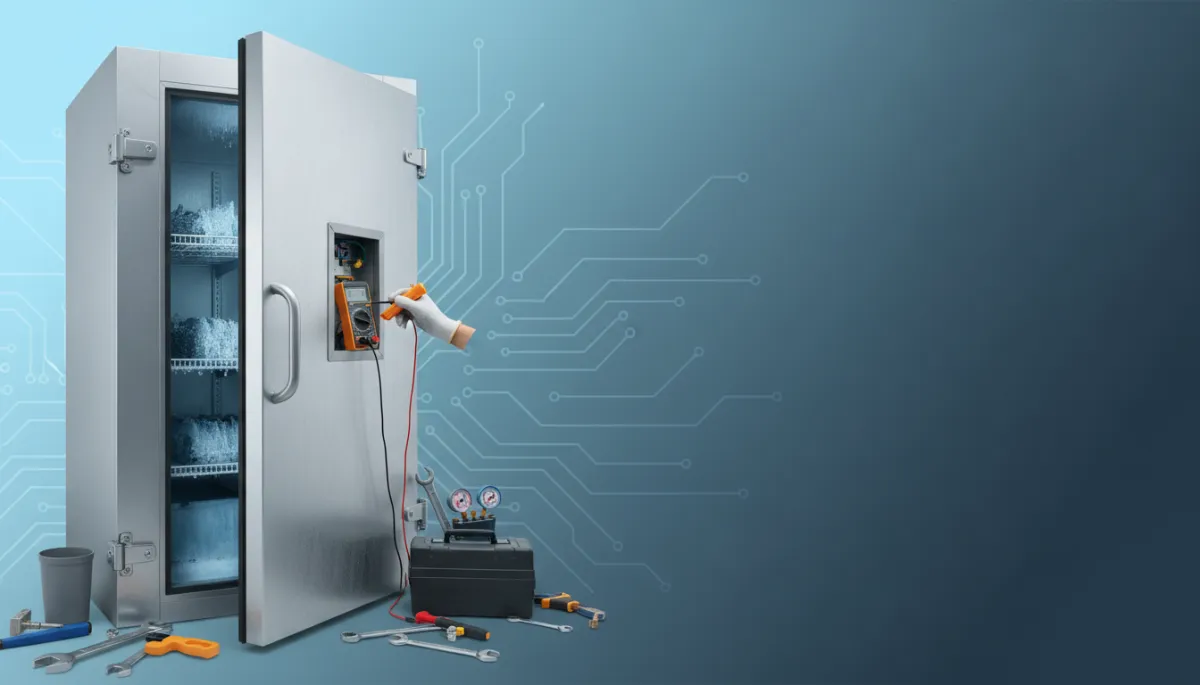
Walk In Cooler Repair Guide for Professionals
Commercial Refrigeration, Walk In Cooler Repair
Walk In Cooler Repair in North Mississippi: A Technician’s Guide for Restaurants and Foodservice Operations
If you run a restaurant, convenience store, grocery, or foodservice operation in Tupelo, Amory, Corinth, Saltillo, Oxford, Fulton, or Mantachie, your walk-in cooler is not “just equipment.” It is the backbone of your cold chain and one of the most expensive pieces of infrastructure in your building. When it goes down, you are staring at lost product, health department issues, and unhappy customers—often all at once.
As a veteran-owned HVAC, electrical, and commercial refrigeration company, S.I. Service Group has been inside hundreds of walk-ins across North Mississippi. We see the same failure patterns over and over—compressors struggling, evaporator coils iced solid, door gaskets hanging loose, refrigerant leaks slowly starving the system, and electrical issues taking everything offline at the worst possible time.
This guide breaks down, in plain language, what you need to know about walk-in cooler repair: early warning signs, common failure points, what to do the minute your cooler goes down, how to minimize inventory loss, and why a fast, professional response matters so much for North Mississippi food businesses.
Why Walk-In Cooler Reliability Matters So Much in North Mississippi
In Tupelo in July—or in a busy Oxford kitchen on game day—your walk-in is fighting heat, humidity, and constant door traffic. When it fails, it is not just an inconvenience. It is a direct hit to your bottom line and your reputation. A single failure can trigger:
- Product loss: Thousands of dollars in meat, dairy, and prepared foods can be compromised within hours if temperatures climb above safe thresholds. We have seen full walk-ins in Corinth and Amory written off after one overnight failure.
- Food safety and health department issues: Temperature abuse increases the risk of foodborne illness, failed inspections, and potential legal exposure. One bad audit can follow your brand for years.
- Operational disruption: Staff scramble to move product to freezers, change menus, or turn away catering orders. In smaller markets like Mantachie or Fulton, you may not have backup storage nearby.
- Energy waste: A cooler that is “running but struggling” can quietly drive your power bill up every month. We routinely see walk-ins in Saltillo and Oxford pulling far more amps than they should because of neglected issues.
Early Warning Signs Your Walk-In Cooler Needs Attention
Most “my cooler is down” calls we get in Tupelo or Oxford did not start that day. The equipment has usually been telling you something for weeks. Training your team to spot early warning signs is one of the cheapest forms of protection you have.
- Temperature drift: If your setpoint is 36°F but you are seeing 40–42°F on the box thermometer or your own probe, especially during normal operation, something is off. A few degrees today can be a full failure tomorrow.
- Ice buildup: Frost or ice on the evaporator coil, ceiling, or around door frames is never “normal.” It usually points to defrost issues, air leaks, or airflow problems. Left alone, it insulates the coil and chokes off capacity.
- Unusual noises: Grinding, squealing, or rattling from fans or the condensing unit are early signs of failing motors, loose components, or compressor problems. It is almost always cheaper to fix it when you first hear it.
- Water on the floor or ceiling: Standing water, dripping, or stains around the cooler can indicate drain line clogs, failed door heaters, or insulation issues. Besides slip hazards, water can damage your structure and invite mold.
- Short cycling: If the compressor is starting and stopping frequently instead of running steady cycles, it is under abnormal stress. This is hard on the equipment and often signals control or refrigerant issues.
Common Failure Points: Where Walk-In Coolers Usually Break Down
You do not need to be a technician, but understanding the main components of your system helps you ask better questions and make smarter decisions when something fails. Most walk-in cooler repair calls trace back to a few key areas.
Compressors: The Heart of the System
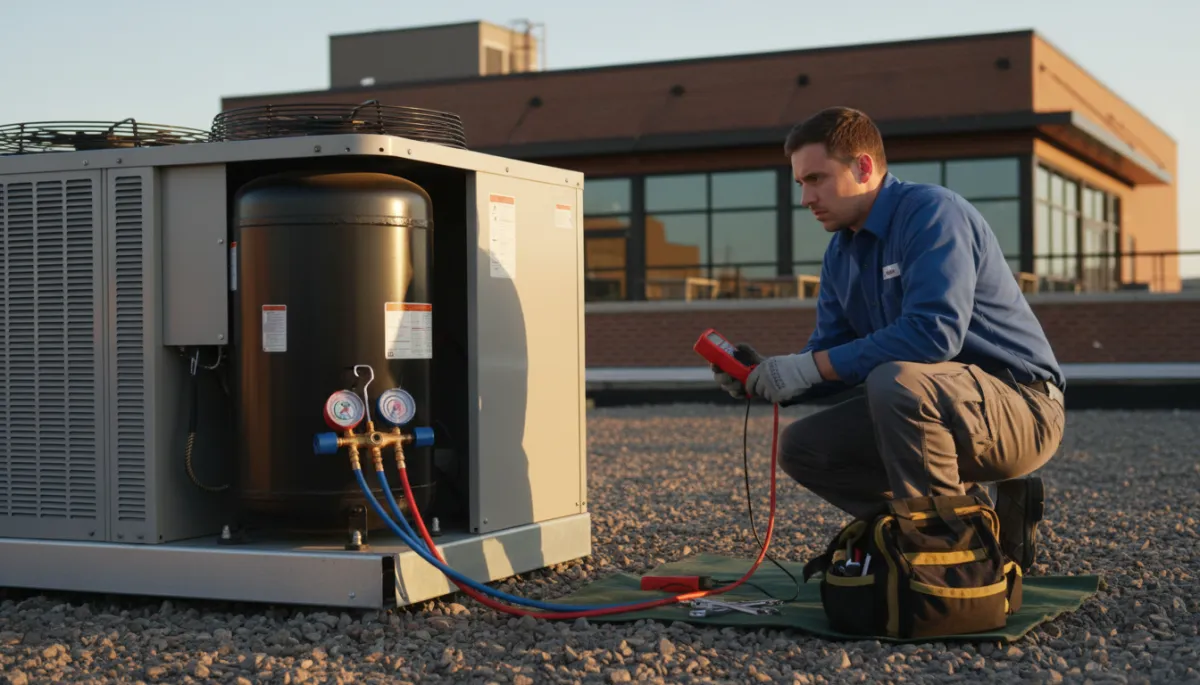
The compressor moves refrigerant through the system. When it fails, you are usually down completely. Common compressor-related issues we see in Tupelo, Corinth, and Oxford include:
- Hard starting or no start: The unit hums, clicks, or trips breakers. Often tied to electrical problems, failed start components, or a seized compressor.
- Overheating: Poor airflow over the condenser, dirty coils, or low refrigerant can cause the compressor to run hot and shorten its life.
- Mechanical wear: Old age, lack of maintenance, or chronic low-charge operation can lead to internal damage that is not repairable.
Evaporator Coils and Fans: Inside the Box
Inside your walk-in, the evaporator coil and fans remove heat from the air and keep temperatures even. Problems here show up as:
- Heavy frost or ice on the coil: Often due to failed defrost controls, bad heaters, or air leaks allowing warm, moist air in.
- Fan not running or noisy: A failed fan motor or loose blade can lead to warm spots, temperature stratification, and eventually product loss.
These repairs usually require shutting the system down briefly, so scheduling during slower times is ideal. A good commercial refrigeration maintenance plan—coil cleaning, fan checks, and defrost verification—can prevent most of these failures.
Door Gaskets, Closers, and the Insulated Envelope
The “box” itself—panels, doors, and gaskets—keeps warm air out and cold air in. In real-world kitchens and stores, this is where we see a lot of slow, expensive damage:
- Torn or hardened gaskets: If you can see light around the door or feel cold air blowing out, you are losing money every minute that door is closed.
- Failing door closers and hinges: Doors that do not self-close or sag create gaps, ice around the frame, and extra load on the system.
The good news: these are relatively inexpensive fixes with a fast return on investment, especially for high-traffic coolers in busy Tupelo and Oxford restaurants.
Refrigerant Leaks: The Silent Killer
Refrigerant does not get “used up.” If your system is low, it is leaking. Adding gas without finding and fixing the leak is like putting air in a tire with a nail still in it. Common signs of refrigerant issues include:
- Slow loss of capacity: The box takes longer to pull down after deliveries and struggles on hot afternoons.
- Ice on the suction line or compressor: A classic sign of low charge and improper refrigerant conditions.
Refrigerant leaks are a top reason we recommend a thorough repair or even system replacement for older equipment in Amory, Mantachie, and other North Mississippi communities. Repeated “top-offs” get expensive fast.
Electrical Issues: When Power Problems Look Like Refrigeration Problems
Because S.I. Service Group also provides electrical services, we see a lot of “cooler problems” that are actually electrical in disguise:
- Tripped breakers that will not reset, or that trip repeatedly.
- Loose connections and burned contactors inside the condensing unit.
- Voltage issues in older buildings that stress motors and controls.
Having one team that understands both refrigeration and electrical saves time and prevents the “blame game” between trades when you are trying to get back up and running.
What to Do Immediately When Your Walk-In Cooler Goes Down
When you walk into your cooler in Tupelo and feel warm air—or your staff in Oxford calls you at 10 p.m. because the alarm is going off—what you do in the next 15–30 minutes can mean the difference between a minor repair and a major product loss.
- Keep the door closed as much as possible. Every time that door opens, you are letting warm air in and accelerating product loss. Stop non-essential traffic immediately.
- Verify power and breakers (once). Check that the disconnects are on and the breaker is not tripped. If it is tripped, you can attempt one reset. If it trips again, stop and call a professional—repeated resets can damage equipment and create a fire hazard.
- Check the temperature with a trusted thermometer. Do not rely only on the box display. Use a calibrated probe or kitchen thermometer to get a real reading in the warmest area of the cooler.
- Look and listen. Is the evaporator fan running? Is the condensing unit outside or on the roof running? Do you see heavy ice, water, or oil spots around the equipment?
- Call for professional service. For 24/7 emergency walk-in cooler repair in Tupelo, Amory, Corinth, Saltillo, Oxford, Fulton, and Mantachie, you can reach S.I. Service Group at 662-523-5514.
How to Minimize Inventory Loss While You Wait for Repair
As technicians, we move as fast as we can—but there is always some travel and diagnosis time. Here is how to protect as much product as possible in the meantime:
- Prioritize high-value and high-risk items. Raw proteins, dairy, and prepared foods are your biggest loss risks. If you have backup storage (another cooler, freezer space, or a second location in Amory or Corinth), move those items first.
- Avoid “panic moving” everything. Every time you open the door and move product around, you’re warming the box. Focus on the most critical items and keep the door closed in between.
- Use ice and insulated containers if needed. For short durations, you can use ice, gel packs, and insulated food carriers to bridge the gap for sensitive items during service hours.
- Document temperatures and times. Record when you first noticed the issue, what the temperatures were, and any actions you took. This protects you with the health department and helps you make safe decisions about what to keep or discard.
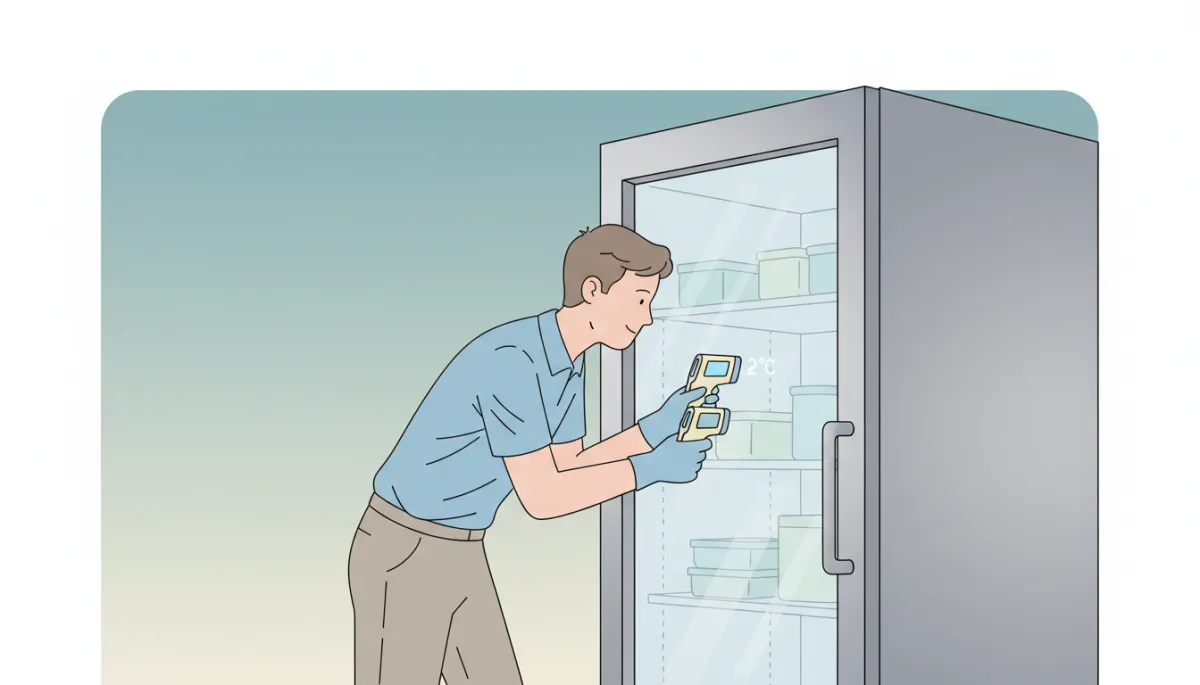
Simple daily checks by staff often catch walk in cooler problems long before failure.

What You Can Safely Check Yourself (and What to Leave to the Pros)
There are a few basic checks your team can perform without tools or technical training. These will never replace professional diagnostics, but they can rule out simple issues and speed up the repair process:
- Confirm the door is closing fully and nothing is blocking it.
- Check that the thermostat or control has not been adjusted accidentally.
- Make sure product is not stacked directly against the evaporator or blocking fan guards.
- Look for obvious ice buildup, water leaks, or damaged gaskets.
Building a Preventive Maintenance Plan Around Your Walk-In Cooler
The best walk-in cooler repair is the one you never need in the middle of a Saturday rush. Restaurants and foodservice operations in Tupelo, Oxford, and across North Mississippi that invest in preventive maintenance see fewer emergencies, better energy performance, and longer equipment life.
Daily and Weekly In-House Tasks
- Log temperatures at set times each day and verify alarms are working.
- Check door operation, gaskets, and lighting during opening and closing routines.
- Keep floors, drains, and interior surfaces clean to prevent mold, odors, and slip hazards.
- Store product on racks that allow airflow and do not block coils or fans.
Professional Preventive Maintenance Visits
At least twice a year—more often for heavy-use sites in Tupelo, Oxford, or high-humidity locations—schedule a professional commercial refrigeration tune-up. A thorough visit from S.I. Service Group should include:
- Cleaning evaporator and condenser coils and verifying fan operation.
- Inspecting electrical connections, contactors, and safety devices for wear or overheating.
- Verifying defrost cycles, thermostat calibration, and control settings against manufacturer specs and your operational needs.
- Checking door heaters, gaskets, and panel joints for air leaks and insulation issues.
If you also rely on other critical equipment—ice machines, line coolers, ovens—consider bundling them into a broader commercial appliance repair maintenance program.
When to Repair, Retrofit, or Replace
At some point, every owner in Tupelo, Amory, or Corinth has to ask: “Do we keep repairing this cooler, or is it time to replace it?” A good rule of thumb:
- Look at the age of the system and repair history over the last 12–24 months.
- Track energy use—older, inefficient systems can cost you more in utilities than a payment on a new system.
- Factor in refrigerant regulations and upcoming changes that may make older systems more expensive to maintain.
When repair costs start creeping toward a significant percentage of replacement value—or repeated failures are disrupting operations—it is time for a strategic conversation. Our team can help you evaluate options and plan a capital project that fits your budget and timeline.
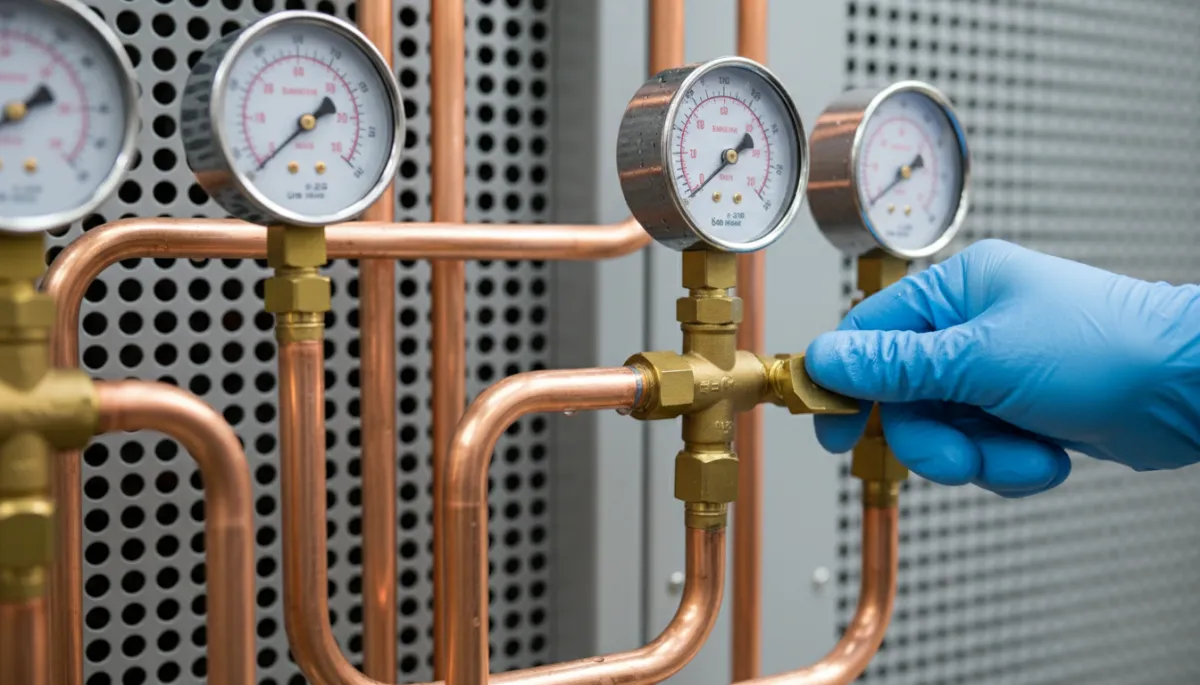
Leveraging Monitoring and Data for Smarter Walk-In Cooler Repairs
More and more operators in Tupelo, Oxford, and Saltillo are adding basic monitoring to their walk-ins. You do not have to go “full smart building” to get value from technology:
- Temperature and door sensors: Wireless sensors can track temperature trends and door openings, sending alerts when something drifts out of range—before product is at risk.
- Energy monitoring: Watching the energy draw of your refrigeration load can flag when equipment is working harder than it should, often a sign that maintenance or repair is needed.
- Digital service history: Keeping a centralized record of all repairs, parts, and maintenance visits lets you spot patterns and justify upgrades when the time comes.
For more big-picture insight, you may also find our related posts helpful: Commercial Refrigeration: A Practical Guide and Walk-In Cooler Repair Guide for Professionals.
Training Your Team: Creating a Culture of Refrigeration Awareness
Even the best equipment in Tupelo or Oxford cannot overcome poor habits. A little bit of staff training goes a long way toward reducing walk-in cooler repair calls and protecting your inventory:
- Teach proper loading and storage to maintain airflow and avoid damaging walls, doors, and coils.
- Emphasize minimizing door openings and not propping doors open during deliveries or rush periods.
- Train staff to report early warning signs—unusual noises, ice buildup, water leaks, or temperature alarms—immediately.
- Establish basic emergency steps if a cooler fails: protect product, document conditions, and notify the right internal and external contacts.
FAQ: Walk-In Cooler Repair Questions We Hear from North Mississippi Owners
How long does walk-in cooler repair usually take?
It depends on the problem. Many common issues—bad fan motors, door gasket replacements, simple control failures—can be diagnosed and repaired in a single visit, often within a few hours. More complex problems like compressor replacement, major refrigerant leaks, or electrical upgrades may take longer or require parts ordering. When you call S.I. Service Group, we will give you a realistic estimate based on what we find on site.
What causes a walk-in cooler to stop cooling?
The most common causes we see in Tupelo, Amory, Corinth, and surrounding areas include refrigerant leaks, dirty or iced-over coils, failed fan motors, compressor problems, electrical failures, and control or thermostat issues. Sometimes it is a combination—like a door gasket leak causing icing, which then leads to fan and coil problems. That is why a thorough diagnosis by a trained technician is so important.
Can I repair my walk-in cooler myself?
You can and should handle basic checks—verifying doors close, checking setpoints, keeping coils clear of product, and monitoring temperatures. But actual repairs involving refrigerant, electrical components, or controls should be left to licensed professionals. Modern systems are more complex than they look, and “DIY fixes” often create bigger, more expensive problems. In some cases, they can also void warranties or create safety hazards.
How much does walk-in cooler repair cost?
Costs vary based on the issue, parts needed, and how long the repair takes. Simple repairs like replacing a door gasket or a fan motor are on the lower end. Compressor replacements, major leak repairs, or control system upgrades are larger investments. The most accurate way to budget is to have us inspect your system and provide a written estimate. We always explain options so you can decide whether to repair, retrofit, or start planning for replacement.
How can I reduce the chance of my walk-in failing during a rush?
The best protection is a combination of good habits and regular maintenance: keep doors closed as much as possible, train staff on loading and early warning signs, log temperatures, and schedule professional maintenance at least twice a year. Many of our North Mississippi clients also add basic monitoring so they get alerts before an issue becomes a full failure.
Do you offer 24/7 emergency walk-in cooler repair in my area?
Yes. S.I. Service Group provides 24/7 emergency walk-in cooler repair for restaurants, grocery stores, and foodservice facilities in Tupelo, Amory, Corinth, Saltillo, Oxford, Fulton, Mantachie, and throughout North Mississippi. If your cooler is down, call 662-523-5514 any time—day or night.
Can you also service my other kitchen and refrigeration equipment?
Absolutely. In addition to walk-in coolers and freezers, we service line coolers, reach-ins, ice machines, and many types of commercial kitchen equipment through our commercial appliance repair services. We also handle HVAC and electrical work, so you have one veteran-owned partner for your critical building systems.
Conclusion: Treat Walk-In Cooler Repair as a Strategic Business Function
Whether you run a busy restaurant in Tupelo, a convenience store in Amory, a grocery in Corinth, or a campus kitchen in Oxford, your walk-in cooler is mission-critical. When it fails, it threatens your inventory, your food safety, your staff, and your reputation. The owners who sleep best at night are the ones who treat walk-in cooler repair and maintenance as a strategic business function—not just a line item on the expense report.
By understanding common failure points, training your team to spot early warning signs, investing in preventive maintenance, and having a trusted, fast-response partner on call, you dramatically reduce emergencies and extend the life of your equipment. As a veteran-owned company, S.I. Service Group takes that responsibility seriously. We know your cooler is not just a box—it is your livelihood.
24/7 Walk-In Cooler Repair in Tupelo & North Mississippi: Call S.I. Service Group
If your walk-in cooler is down—or you are seeing warning signs and want it checked—our team is ready to help. We provide fast, reliable service for restaurants, groceries, convenience stores, and foodservice operations across Tupelo, Amory, Corinth, Saltillo, Oxford, Fulton, Mantachie, and the surrounding North Mississippi communities.
To schedule routine maintenance or request a quote, you can also reach us through our contact page. For more information about our full capabilities, visit our commercial refrigeration services overview.
About the Author
Dan Southwick is the founder and owner of S.I. Service Group, a veteran-owned HVAC, electrical, and commercial refrigeration company serving Tupelo and North Mississippi. With over a decade of hands-on experience in residential and commercial service, Dan and his team are dedicated to honest, reliable repairs done right the first time. Licensed, bonded, and insured — proudly serving Tupelo, Amory, Corinth, Saltillo, Oxford, Fulton, Mantachie, and communities across North Mississippi.