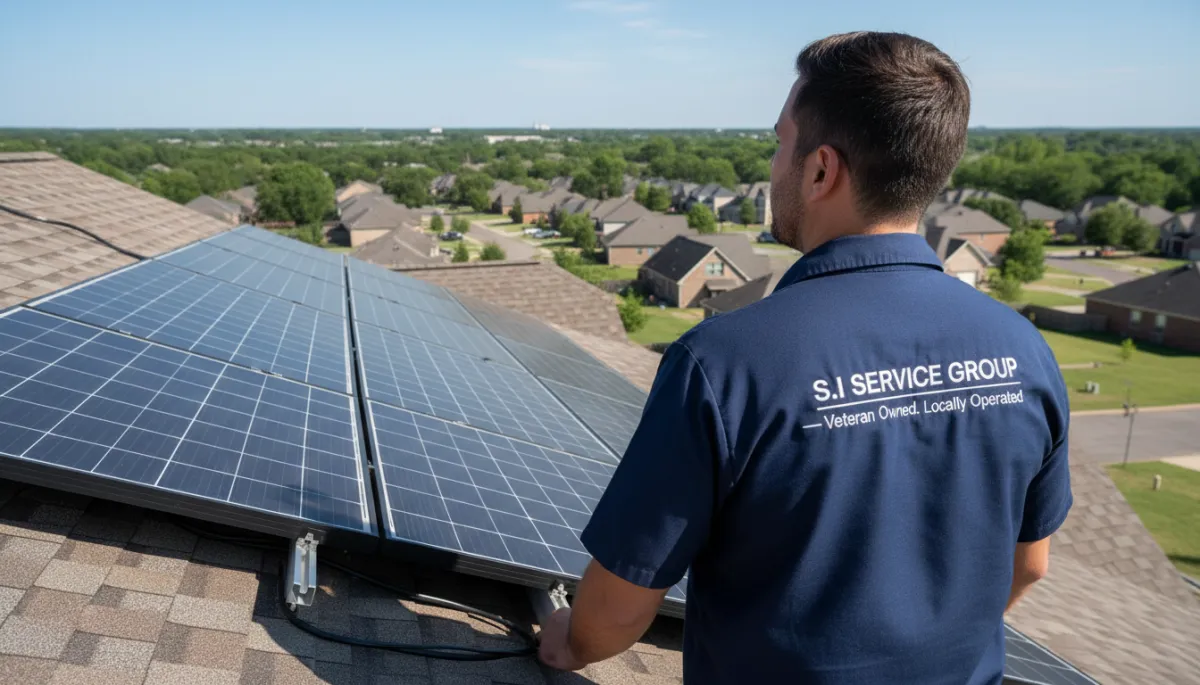
Solar Panels & Battery Storage in North Mississippi
Solar, Electrical Services, Battery Storage, North Mississippi
Solar Panels & Battery Storage for North Mississippi Homes: What You Really Need to Know
North Mississippi homeowners are dealing with a tough combination: long, hot summers with intense sun, and a storm season that can knock out power from Tupelo to Corinth in a matter of minutes. That mix is exactly why solar panels plus battery storage are finally starting to make real financial and practical sense for homes in Tupelo, Amory, Saltillo, Oxford, Fulton, Mantachie, and the rural areas in between. When you work with a local, licensed team like S.I. Service Group, you can design a system that is built specifically for North Mississippi’s climate, utilities, and housing stock.
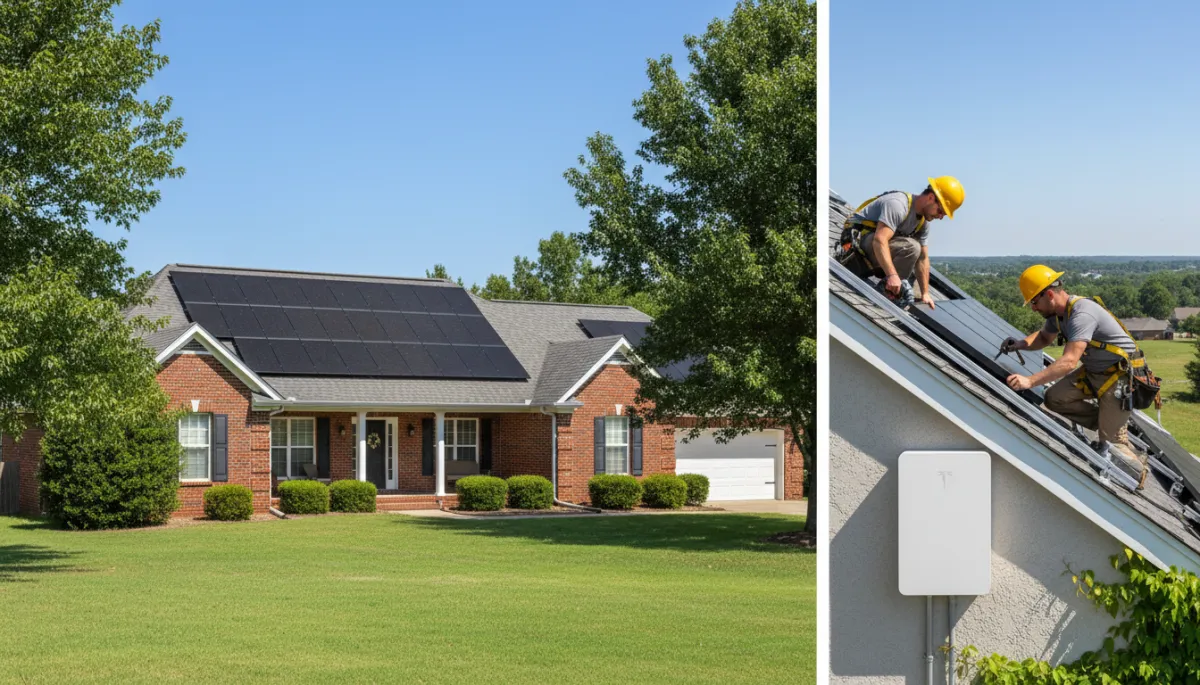
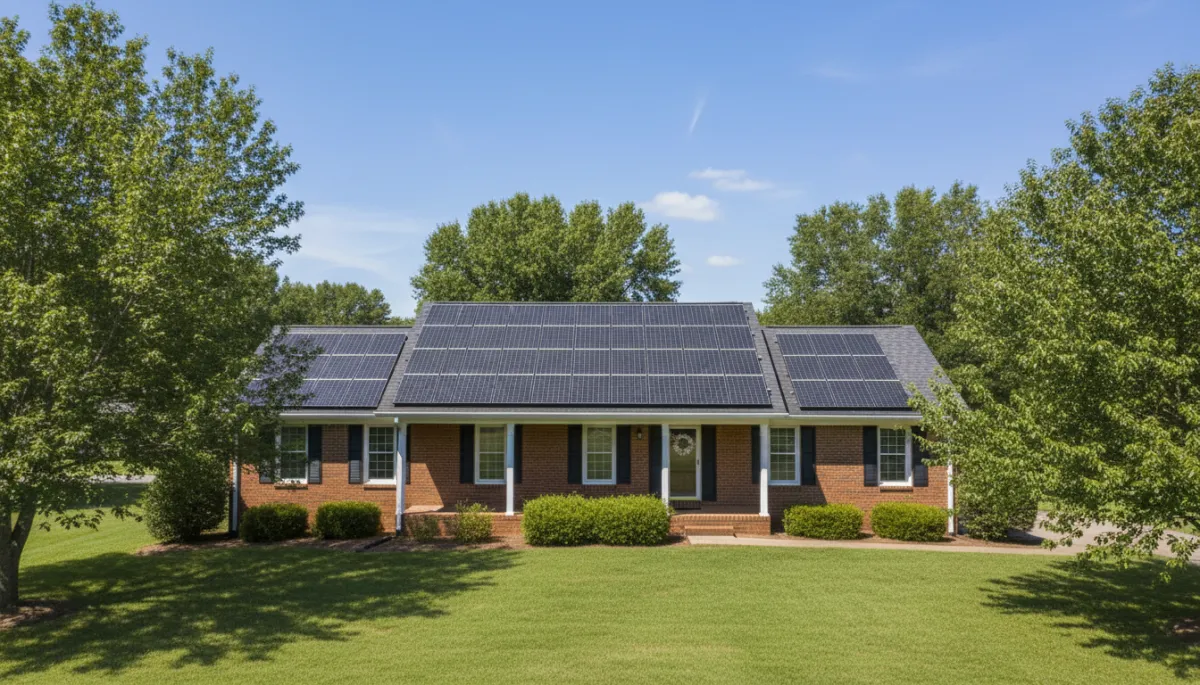
1. Why Solar + Battery Is Taking Off in North Mississippi
Our region gets plenty of sunlight, especially from late spring through early fall. At the same time, severe thunderstorms, tornado outbreaks, and ice storms routinely cause extended outages—particularly in rural pockets outside Tupelo, Amory, and Mantachie where grid infrastructure can be less robust. That combination makes solar panels North Mississippi plus battery storage far more than a “green” upgrade; it is increasingly a resilience and cost-control strategy.
Installed costs have come down, the 30% federal tax credit remains in place, and home battery systems are now designed specifically for residential use with better efficiency and safety than just a few years ago. When these systems are designed and wired correctly by a licensed electrician Tupelo MS, they can reduce your monthly power bill and keep critical circuits running when the grid goes down. Working with a local electrical contractor who understands Mississippi utilities, inspection processes, and Mississippi solar incentives can make the difference between a system that just “works” and one that truly pays off over time.
2. How Residential Solar Works in Plain English
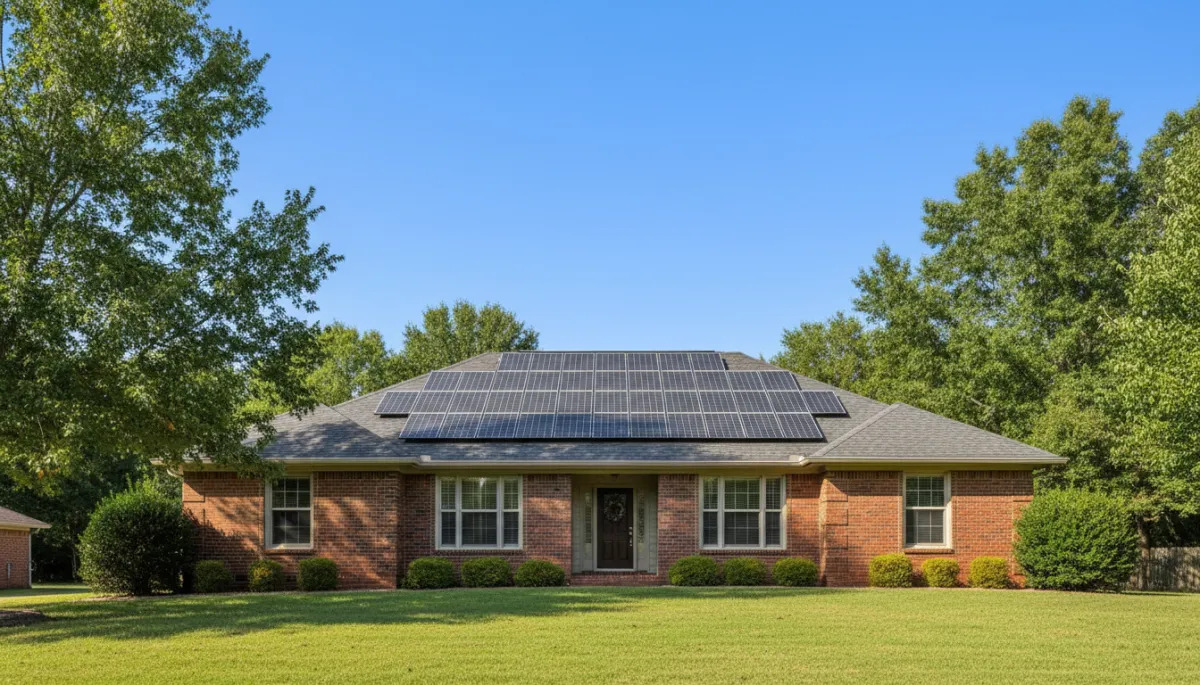
A typical home solar Tupelo Mississippi system has four main parts:
- Solar panels on your roof or ground mount that turn sunlight into direct current (DC) electricity.
- An inverter that converts DC into alternating current (AC) power—the same type your home uses and your utility provides.
- A connection to your main electrical service panel, where solar power feeds into your home’s circuits through properly sized breakers and disconnects.
- A grid connection, so you can still use power from your utility when the sun is not shining or when your usage is higher than what the panels produce.
During sunny hours, your panels produce electricity. Your home uses that power first. If you are producing more than you need, the extra power flows back out through your meter to the utility grid. If your utility offers net metering or net billing, you receive credit for that exported energy (we will cover Mississippi’s policies below). At night or on cloudy days, you draw power from the grid like you always have, but your overall monthly usage is lower because of the daytime solar contribution. A trusted local installer such as S.I. Service Group will size your system based on real usage data from your bills, not guesses.
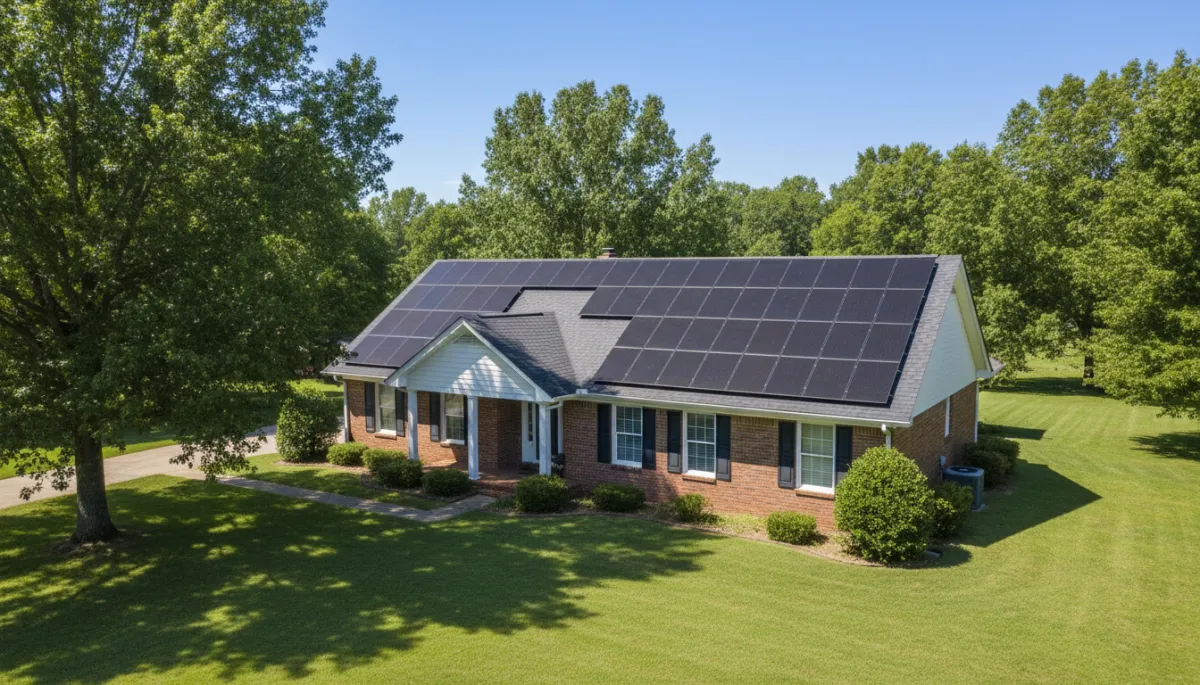
3. Battery Storage Explained: What Actually Happens in a Power Outage
A home battery system—often called an energy storage system (ESS)—is essentially a large, smart rechargeable battery connected to your solar array and your home’s electrical panel. In normal operation, it charges from your solar panels (and sometimes from the grid, depending on programming) and then discharges when it is most beneficial: at night, during peak utility rates, or when the grid fails.
What It Does During an Outage
When the grid goes down, a properly installed battery system:
- Detects the outage in fractions of a second and isolates your home from the grid (this is required for safety so your system does not backfeed lines that utility crews are working on).
- Switches to “backup mode”, where your battery and solar array power selected circuits—often refrigerators, lights, outlets for phone chargers, Wi‑Fi, and sometimes a well pump or small HVAC equipment, depending on system size.
- Recharges from solar during daylight, extending how long you can ride through an outage without a generator.
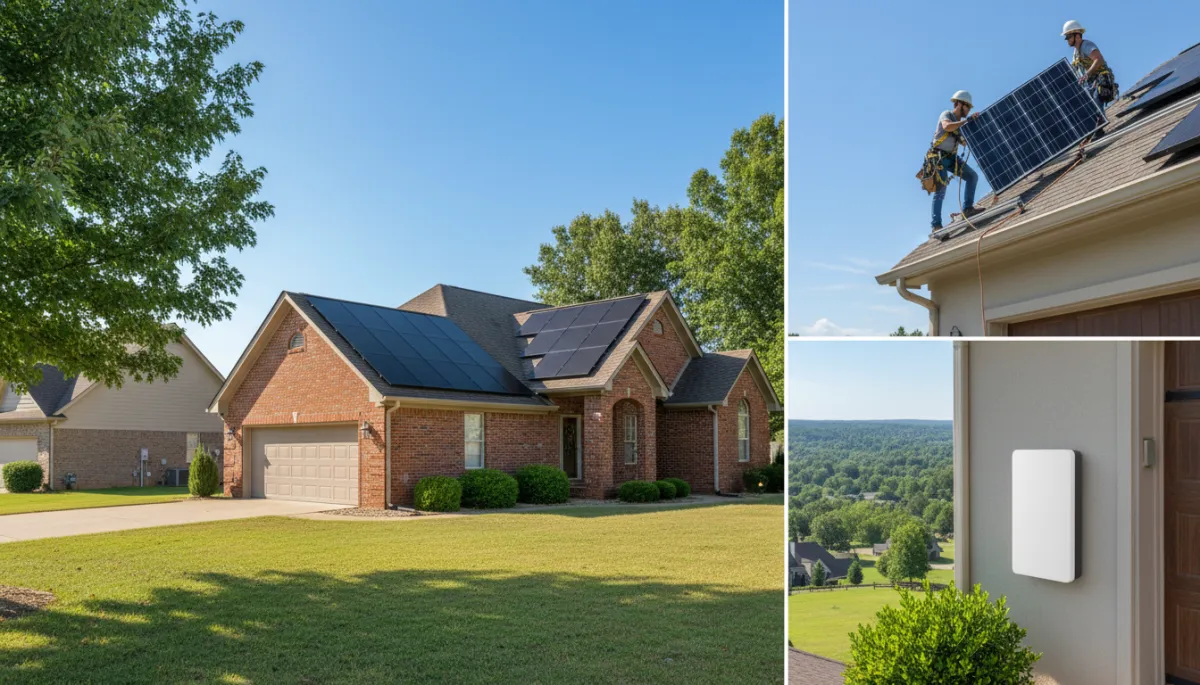
How Long Will a Battery Last?
Runtime depends on three things: battery size (measured in kilowatt-hours, kWh), what you power, and how long the outage lasts. As of 2026, common residential batteries range from about 10–20 kWh. Used wisely, a 10–15 kWh system can often:
- Run a refrigerator, Wi‑Fi, a few lights, phone chargers, and a gas furnace blower for 12–24 hours, especially if you have solar recharging during the day.
- Support a small, high-efficiency mini-split or window unit for limited hours, but not whole-house central air for long stretches in a Tupelo August heat wave.
4. What the 2023 NEC Requires for Solar PV and Battery Systems
Even though Mississippi does not enforce a single statewide building code, utilities and local inspectors across North Mississippi rely heavily on the National Electrical Code (NEC) for safety. The 2023 NEC includes important updates in Article 690 (Solar Photovoltaic Systems) and Article 706 (Energy Storage Systems) that directly affect how your system must be designed and wired. Having an installer who actually reads and follows these articles—like the team at S.I. Service Group—is critical for long-term safety and insurability.
Article 690 – Solar PV Systems
- Rapid Shutdown: Roof-mounted systems must include a rapid shutdown function so firefighters can quickly de‑energize conductors on or inside the building. The 2023 NEC refines these requirements to make sure voltage on the roof drops to safe levels within a specified time when the shutdown is activated (Solar Power World, 2023 NEC changes).
- Disconnecting Means: The code requires clearly labeled, accessible disconnect switches for both DC and AC sides of the system so first responders and electricians can safely isolate equipment during service or emergencies.
- Grounding & Bonding: 2023 updates tighten requirements for grounding and bonding of modules, racking, and metal raceways to reduce shock and fire risk if a fault occurs (PV‑Tech, NEC 2023 overview).
Article 706 – Energy Storage Systems (Batteries)
- Dedicated Disconnects: Battery systems must have their own disconnecting means, clearly labeled and accessible, so they can be isolated from the home and the grid during service or an emergency event.
- Location & Ventilation: The NEC and product listings specify where batteries can be installed (often garages, utility rooms, or exterior walls), required clearances, and protection from physical damage, moisture, and ignition sources to enhance fire safety (Electrical Business, NEC 2023 updates).
- Labeling & Marking: Clear labeling of battery system components, voltages, and emergency shutdown procedures is mandatory so first responders know exactly what they are dealing with during a fire or flood.
5. The Electrical Work Involved: What a Licensed Electrician Actually Does
Many national solar companies focus on selling panels and financing. The part that keeps your home safe—and keeps you in compliance with the NEC and your utility—is the electrical work. That is where a veteran-owned, licensed team like S.I. Service Group comes in for solar installation Tupelo MS and across North Mississippi. When you need solar panel electrical work North Mississippi, it pays to partner with electricians who do this work every day.
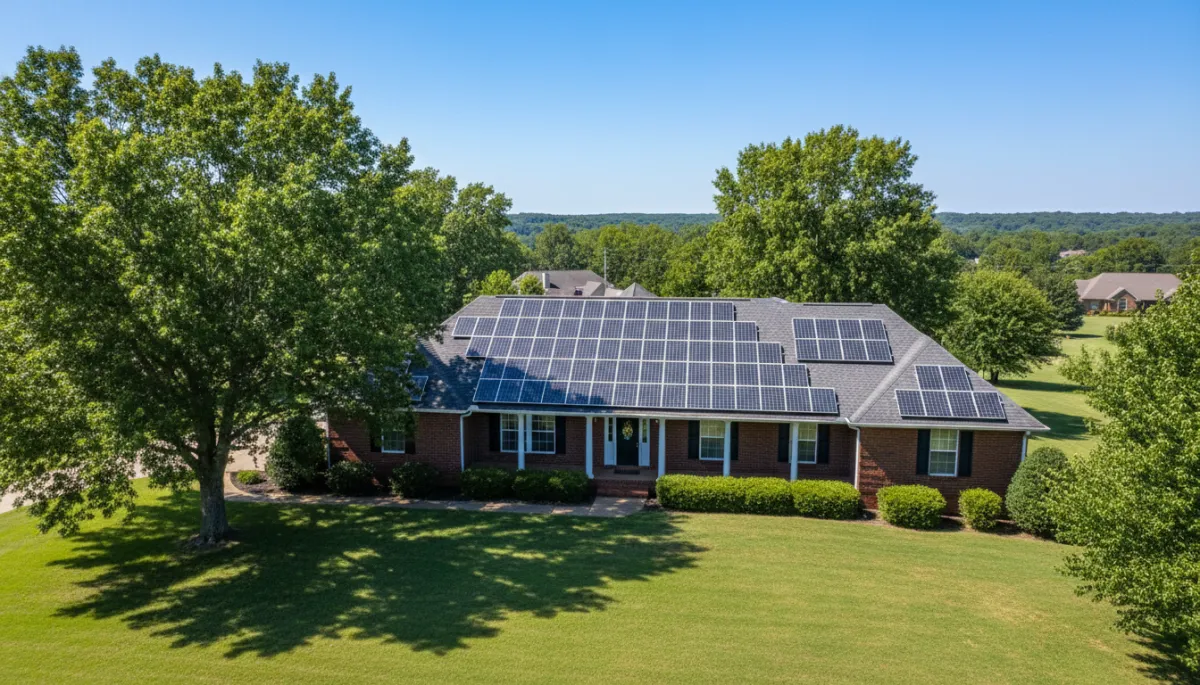
Properly installed battery and service panel upgrades are the backbone of safe solar backup.
Service Panel Assessment and Upgrades
Before adding solar or a battery, a licensed electrician evaluates your existing service:
- Main panel size and condition (100A, 150A, 200A, etc.), available breaker spaces, and busbar rating.
- Existing load from HVAC, electric water heaters, ranges, dryers, and EV chargers to ensure you are not overloading the system.
In older homes in Tupelo, Corinth, and Oxford, this may reveal the need for a panel upgrade or even partial rewiring. If your house still has outdated wiring or an undersized panel, pairing solar with an electrical upgrade can be a smart, code-driven investment. For more on this, see our guide: Does My Old Tupelo Home Need to Be Rewired? and our related article on panel capacity: Electrical Panel Upgrade for an Older Tupelo Home.
Dedicated Circuits, Disconnects, and Interconnection
- Installing dedicated breakers and wiring for the inverter and battery, sized correctly for voltage, amperage, and distance—per NEC conductor and overcurrent protection rules.
- Adding AC and DC disconnect switches, clearly labeled and located where local inspectors and utility requirements dictate (often near the meter or main panel).
- Wiring a critical loads subpanel for battery backup circuits—refrigerators, lights, Internet, medical equipment, and other priorities—so you are not trying to run your entire house on a modest battery bank.
This is not DIY work. A miswired interconnection can damage equipment, void warranties, and put your family at risk. S.I. Service Group’s electricians ensure your system meets the 2023 NEC, local AHJ requirements, and your utility’s interconnection standards. Learn more about our capabilities on our Electrical Services page.
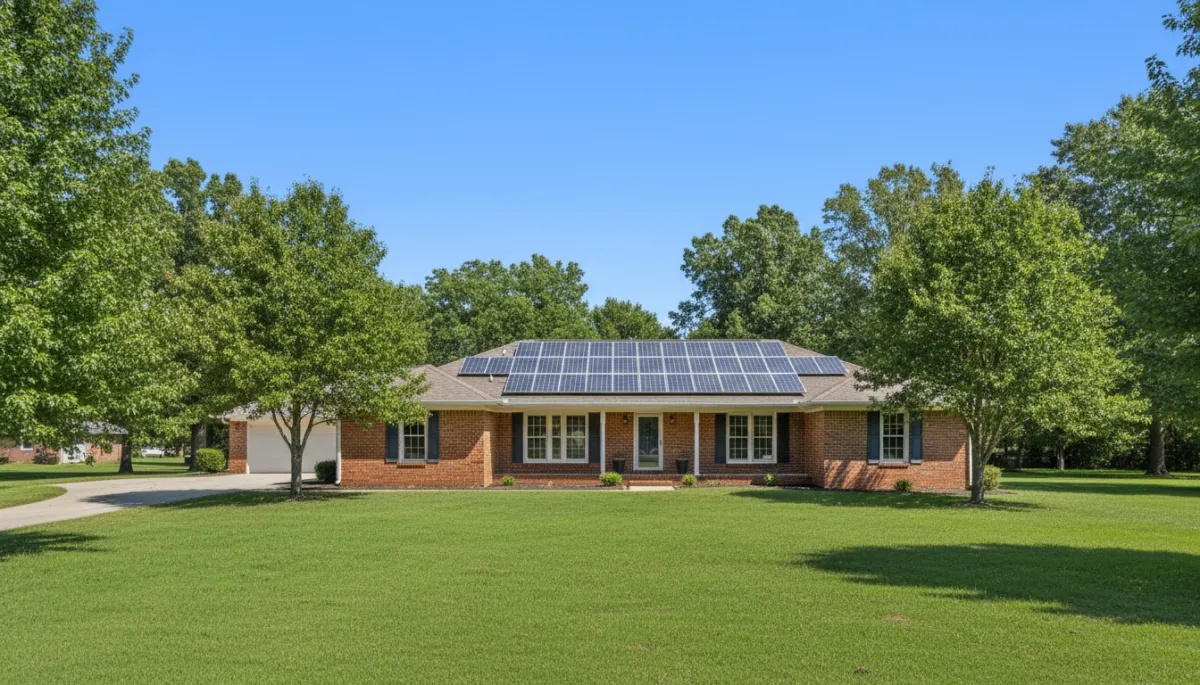
Experienced electricians make sure solar and storage tie-ins meet current NEC and utility rules.
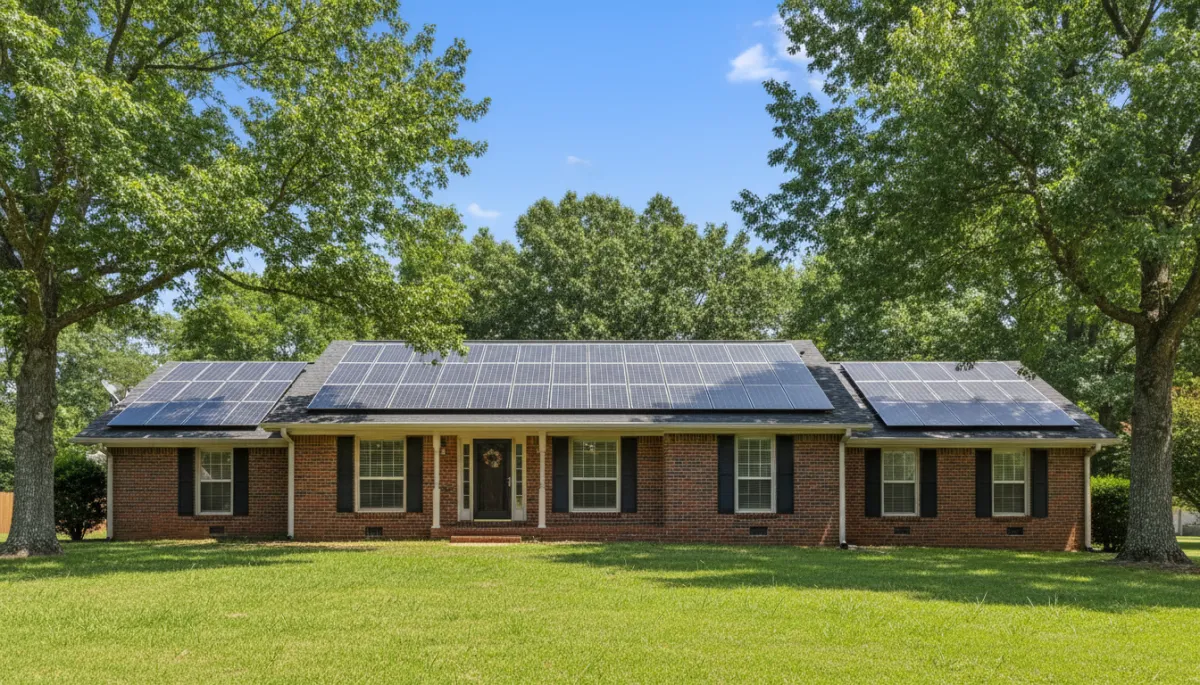
6. Is Your North Mississippi Home a Good Candidate?
Roof Age, Orientation, and Shading
- Roof age: If your shingle roof in Tupelo or Saltillo is 18–20 years old, it is often wise to replace it before adding panels. You do not want to pay to remove and reinstall solar in five years for a reroof.
- Orientation: South-facing roofs perform best, but east- and west-facing arrays can still deliver strong production in North Mississippi’s climate. North-facing roofs are usually less ideal unless tilt racks are used.
- Shading: Tall trees, neighboring buildings, and chimneys can significantly reduce output. A site visit and shading analysis are essential, especially in older, tree-lined neighborhoods in Oxford and Corinth.
Electrical Panel Capacity and Home Usage
Your main panel must have enough capacity for the additional backfeed from solar and the loads associated with battery charging and discharging. Homes with electric heat, older HVAC systems, or new EV chargers in Tupelo, Amory, and Fulton often benefit from a panel upgrade as part of the project. That upgrade not only enables solar but also improves safety and future‑proofs your home for additional loads. If you are unsure about your panel’s capacity, our team at S.I. Service Group can evaluate it during a solar consultation.
Utility Rate Structure and Rural Reliability
Mississippi’s electric rates are moderate, and payback periods for solar alone often fall in the 15–18 year range, depending on system size and incentives. Where batteries really shine is in areas with frequent or long outages. If you live on the outskirts of Mantachie, between towns, or in a rural pocket outside Corinth where the grid is less reliable, the value of keeping your home powered during storms can outweigh pure financial payback calculations.
7. Mississippi Net Metering Basics: How Selling Power Back Works
Mississippi does not have a single statewide net metering policy, but many utilities serving North Mississippi offer some form of net metering or net billing. The details vary, so your exact arrangement in Tupelo, Oxford, or Fulton will depend on your provider’s tariff and current Public Service Commission rules.
- Under net metering, excess daytime solar production spins your meter backward at or near the retail rate, and you use those credits at night or in other billing periods.
- Under net billing, you still get credit, but often at a lower “avoided cost” rate for the energy you export, while you buy power at the normal retail rate when you need it.
A properly sized solar system in North Mississippi is usually designed to offset a significant portion of your annual usage, not to wildly overproduce. Batteries can help you self‑consume more of your own solar power instead of sending it back to the grid at a discounted rate, improving your effective savings. If you want to dig deeper into EV-specific rate structures and how they pair with solar, read our related post: EV Charger Installation in North Mississippi.
8. What to Watch for When Choosing a Solar Installer
The solar industry has seen rapid growth—and some turbulence. Several big national brands have downsized or exited the market in recent years. When you are planning a system that should last 20–25 years, you need to be selective about who touches your roof and your electrical panel.
- Licensing and Insurance: Make sure the company uses a licensed electrical contractor for all wiring and interconnection work, not just roof crews. Ask specifically who will be pulling the electrical permit and whose license is on the line—this is where S.I. Service Group’s role as a solar electrician Tupelo MS is critical.
- Permits and Inspections: A reputable installer will handle all required permits and coordinate inspections with the Authority Having Jurisdiction (AHJ) and your utility. If a salesperson tells you permits are “optional” or “slow things down,” that is a red flag.
- Transparent Equipment Specs: You should know the brands and model numbers of your panels, inverters, and batteries, along with their warranties. Avoid contracts that allow the installer to “substitute equivalent equipment” without your approval.
- Realistic Production and Backup Claims: Be cautious of promises that a single battery will run your whole house indefinitely or that your bill will drop to zero. A trustworthy installer will give you conservative, data‑driven estimates based on your actual usage and roof conditions.
9. How Solar, Battery Storage, and EV Charging Work Together
More North Mississippi homeowners are adding electric vehicles to the mix. When designed correctly, solar + battery + EV charging can operate as an integrated system:
- Solar panels produce power during the day, covering household loads and charging your EV when it is at home.
- Excess solar charges your battery, which can then discharge in the evening to power your home and, in some configurations, top off your vehicle at night.
- Smart chargers and battery management systems can prioritize essential loads during outages so your home stays functional even if your EV is drawing power.
Because EV chargers are significant loads, they must be carefully integrated into your electrical design. For details on EV charger requirements under the 2023 NEC, review our article: EV Charger Installation in Tupelo, MS: What the 2023 NEC Requires and our expanded regional guide: EV Charger Installation in North Mississippi.
Coordinated solar, storage, and EV charging can significantly cut grid dependence and fuel costs.
10. Frequently Asked Questions About Solar Panels and Battery Storage
1. Will solar panels keep my lights on during an outage without a battery?
No. Standard grid‑tied solar systems shut down automatically when the grid goes down. This is required by utility interconnection rules and the NEC to protect lineworkers. To have backup power, you need a battery storage system or a properly integrated generator with transfer equipment.
2. How much does a typical solar and battery system cost in North Mississippi?
Costs vary by roof size, equipment, and whether you add batteries, but many Mississippi homes fall in the 9–11 kW range for solar. Installed costs often land in the mid‑$20,000s before the 30% federal tax credit, with batteries adding to that investment. The exact numbers depend on your design, electrical upgrades, and chosen brands. Our team can walk you through options and financing—start on our Financing page, or schedule a solar consultation with S.I. Service Group.
3. How long do batteries and panels last?
Quality solar panels typically carry 25‑year performance warranties and often keep producing well beyond that, though at slightly reduced output. Modern lithium‑ion home batteries usually carry 10–15 year or cycle-based warranties. Proper installation, ventilation, and surge protection—handled by a licensed electrician—are key to reaching those lifespans.
4. Is my older Tupelo or Corinth home safe for solar and battery storage?
Yes—if the electrical system is evaluated and upgraded where necessary. Many older homes we see in Tupelo, Corinth, and Oxford were built with panels and wiring that predate current NEC standards. We often recommend panel replacements, grounding upgrades, or targeted rewiring to ensure the home can safely handle new solar and battery equipment. That assessment is a standard part of S.I. Service Group’s process.
5. Do I still need a generator if I have a battery?
It depends on your priorities. For many homes in Tupelo, Amory, and Saltillo, a right‑sized battery plus solar provides sufficient backup for typical outages, especially if you mainly need refrigeration, basic lighting, and communications. If you live in a rural area with frequent multi‑day outages and want to run large HVAC equipment continuously, a hybrid approach—battery for seamless short‑term backup and a generator for extended events—may be best. We can design and wire those systems to work together safely.
6. Will solar panels damage my roof or cause leaks?
When installed correctly with proper flashing and mounting hardware, solar panels should not cause leaks. In fact, they can protect the portion of the roof they cover from sun and weather. The key is working with installers who follow manufacturer guidelines and local code, and who coordinate with licensed electricians so penetrations, grounding, and bonding are done correctly and inspected.
7. What incentives are available for North Mississippi homeowners?
The primary incentive is the 30% federal Investment Tax Credit (ITC), which applies to both solar and battery systems when installed together. Mississippi also exempts the added value of your solar system from property tax assessments, so your taxes should not increase because of the installation. Some utilities offer additional credits or rebates; we can help you understand what is available in your specific service territory and how those Mississippi solar incentives affect your payback.
8. How do I get started and who handles the electrical side?
Start with a conversation about your goals—bill savings, backup power, EV charging, or all three. From there, we review your roof, electrical panel, and utility bills to size a system correctly. S.I. Service Group handles the licensed electrical work, permitting coordination, and NEC-compliant wiring for solar installations in Tupelo, Amory, Corinth, Saltillo, Oxford, Fulton, Mantachie, and surrounding communities.
11. Additional FAQs: Solar and Battery Storage in North Mississippi
1. Is solar really worth it in North Mississippi?
For many homeowners, yes—especially if you plan to stay in your home for 10+ years. Our region gets strong sun from late spring through early fall, and even with moderate power rates, a well-designed system can offset a large share of your annual usage. When you add the 30% federal tax credit and potential property value benefits, the long-term return is attractive. The value is even higher if you pair solar with battery storage to ride through outages that are common in North Mississippi’s storm season.
2. How much can solar save on electric bills in Mississippi?
Savings depend on your usage, roof, and rate structure, but many North Mississippi homeowners see 30–60% reductions in their annual electric costs with properly sized systems. If your home uses a lot of power for air conditioning, electric heat, or EV charging, the percentage can be even higher. During a solar consultation, we review your past bills and model how much of your usage can realistically be offset in Tupelo’s climate and your specific utility territory.
3. What battery storage options work best with solar in the South?
In North Mississippi, we typically recommend lithium‑ion battery systems from established manufacturers that are listed for residential use and compatible with your inverter brand. These systems handle our heat and humidity well when installed in appropriate locations—garages, conditioned utility rooms, or shaded exterior walls. We size batteries based on your outage priorities: some families only want refrigeration and lights, while others need medical equipment, well pumps, or home offices to stay online. Our electricians design storage systems that match your needs, not just what a national sales script recommends.
4. Does Mississippi have net metering?
Mississippi does not have a single, uniform net metering law like some other states. Instead, each utility sets its own policy, subject to oversight by the Public Service Commission for regulated utilities. Some offer true net metering, others use net billing with different credit rates and terms. Before we design your system, S.I. Service Group reviews your specific utility’s rules so we can size your array in a way that makes sense under their program and avoids overbuilding capacity you are not fairly credited for.
5. What permits are needed for solar installation in Mississippi?
Permit requirements vary by city and county, but most North Mississippi projects require at least an electrical permit and utility interconnection approval. In some jurisdictions, you may also need building or structural permits, especially for larger arrays or complex roof conditions. Our team handles the full permitting process—drawings, load calculations, one‑line diagrams, and coordination with inspectors—so your project is documented and compliant from day one. If a salesperson tells you permits or inspections are optional, that is a sign to walk away and call us today instead.
12. Ready to Explore Solar Panels and Battery Storage? Talk to the Electrical Experts First.
Solar panels and battery storage can be a smart move for North Mississippi homeowners—especially with our intense sun, severe storm season, and pockets of unreliable grid power. But the long‑term success and safety of your system come down to one thing: the quality of the electrical design and installation.
As a veteran-owned HVAC, electrical, and refrigeration company based in Tupelo, S.I. Service Group is trusted by homeowners and solar partners across Tupelo, Amory, Corinth, Saltillo, Oxford, Fulton, Mantachie, and the surrounding areas to handle the critical electrical work for solar and battery projects. We understand the 2023 NEC, local utility requirements, and the realities of North Mississippi’s climate and housing stock.
If you are considering solar panels, battery storage, or a full home energy upgrade with EV charging, start by talking with the electricians who will actually be responsible for your wiring and safety. Call S.I. Service Group today at 662-523-5514 or reach out through our Contact page to schedule a solar consultation. We will help you determine whether your home is a good candidate, explain your options in clear terms, and make sure any solar installation on your property is built on a solid electrical foundation.
About the Author
Dan Southwick is the founder and owner of S.I. Service Group, a veteran-owned HVAC, electrical, and commercial refrigeration company serving Tupelo and North Mississippi. With over a decade of hands-on experience in residential and commercial service, Dan and his team are dedicated to honest, reliable repairs done right the first time. Licensed, bonded, and insured — proudly serving Tupelo, Amory, Corinth, Saltillo, Oxford, Fulton, Mantachie, and communities across North Mississippi.