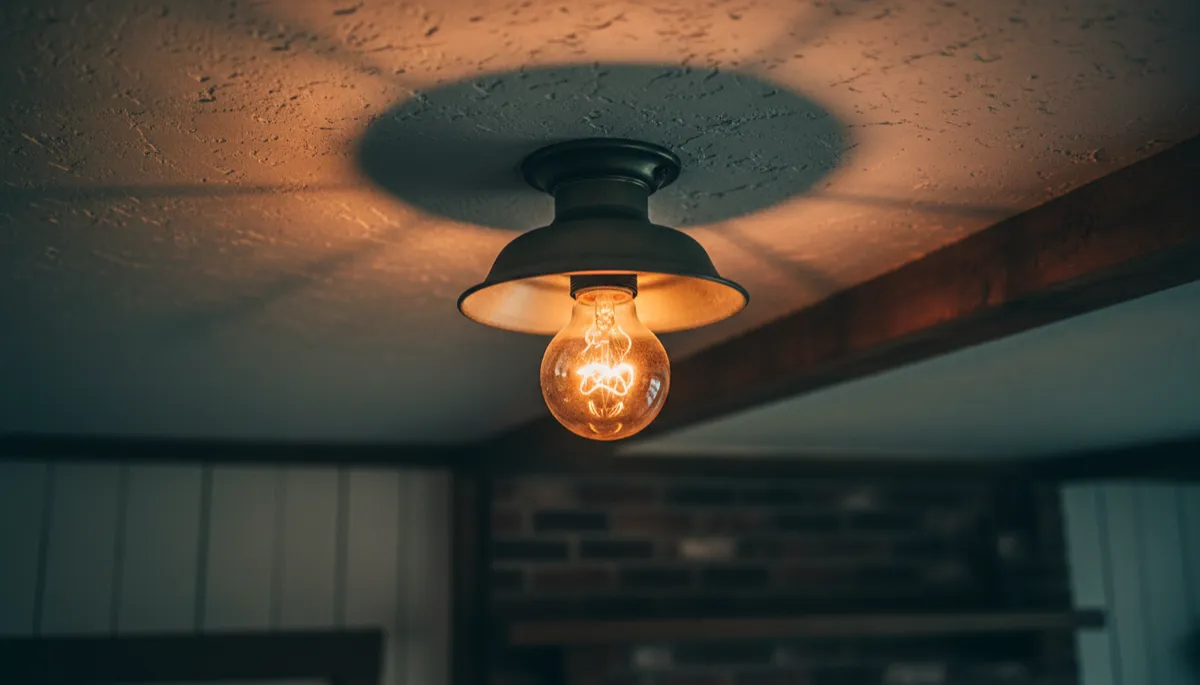
Why Are My Lights Flickering? A Tupelo Electrician Explains the Real Causes
residential electric, electrical, lights flickering in house, flickering lights electrician Tupelo MS
Why Are My Lights Flickering? A Tupelo Electrician Explains the Real Causes
I’m Dan Southwick, licensed electrician and owner of S.I. Service Group here in Tupelo, and I’m going to walk you through what’s really going on when the lights in your house start flickering – and when it’s time to stop guessing and call a pro.
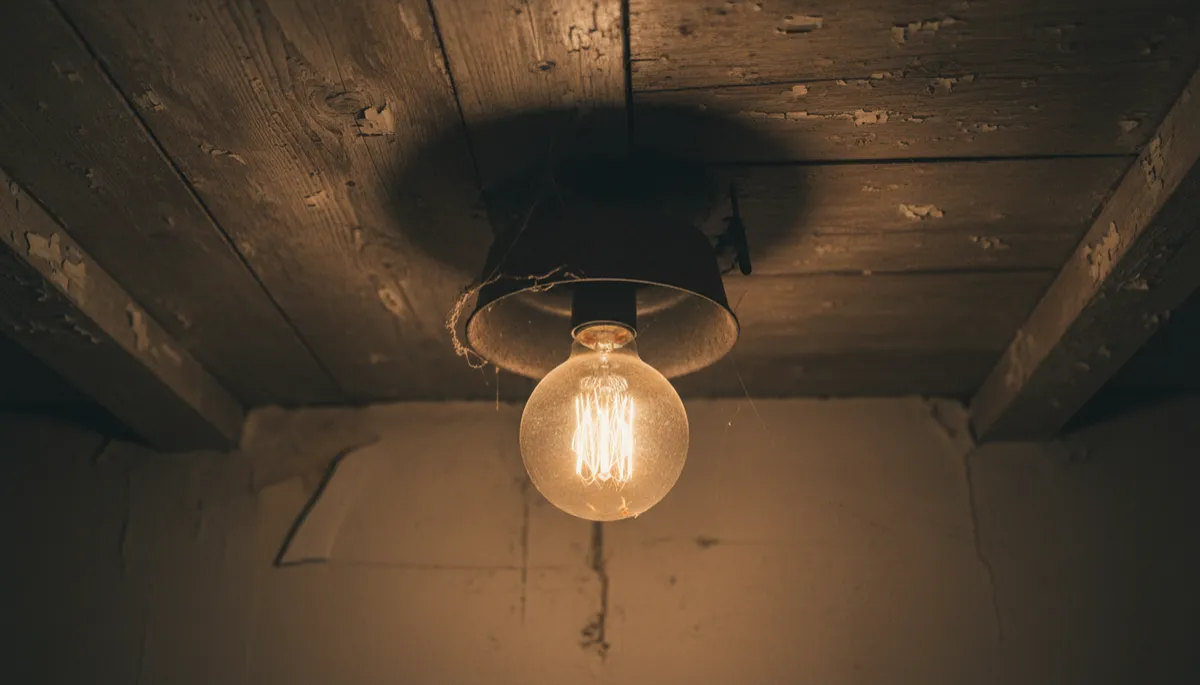
A Quick Story From the Field: When “Annoying” Turned Into “Serious”
Last week I was out in Saltillo at a brick ranch house that was built back in the 80s. The homeowner, Mrs. Carter, met me at the door and the first thing she said was, “Dan, I’m about to lose my mind with these lights. They’ve been flickering for months and my husband keeps saying it’s just the bulbs.”
I stepped into the kitchen, and sure enough, every time the fridge kicked on, the recessed lights dipped for a second. When she turned on the microwave, the flicker was even worse. She’d already changed bulbs three times. Same problem. By the time I opened her electrical panel , I had a pretty good idea what I was going to find – and it wasn’t “bad bulbs.”
In her case, a couple of loose connections at the breakers and a tired old neutral connection were the main culprits. It was fixable, but it wasn’t something she was ever going to solve with a trip to the hardware store. That’s the pattern I see over and over again in Tupelo, Verona, Mooreville, and just about every town I work in across North Mississippi: folks live with flickering lights for way too long because it seems “minor,” when sometimes it’s your home warning you that something bigger is going on.
It’s Not Always the Bulb: Why Flickering Happens and Why It Matters
When homeowners call me about lights flickering in house, most of them start the conversation the same way: “I changed the bulb and it still does it.” Changing the bulb is fine as a first step, but if the problem keeps coming back, you’re not dealing with a simple burnt-out lamp. You’re dealing with a power issue somewhere along the line – from the bulb, to the fixture, to the wiring, to the panel, and sometimes even all the way out to the utility side.
Here’s why flickering matters: your lights are like a little “dashboard” for your electrical system. When they dim, brighten, or flutter, it’s your house telling you something isn’t quite right with the flow of electricity. Sometimes it’s a loose bulb and you’re done in five minutes. Other times it’s a loose wire arcing in a box in your wall – and that’s how electrical fires get started. I’m not trying to scare you, but I am going to be honest with you. I’ve seen too many close calls in Plantersville, Mantachie, and Amory to shrug off chronic flickering as “just annoying.”
So let me walk you through the main causes I see in real homes around Tupelo and the surrounding towns. I’ll tell you which ones are “check it yourself” items and which ones you really need a licensed electrician to handle. We’ll hit everything from loose bulbs to overloaded circuits, loose wiring, failing panels, loose neutrals, and even when it’s the power company’s problem, not yours.
Cause #1 – Loose or Failing Bulb / Fixture Connection (The Quick Fix Territory)
Let’s start with the easy one, because sometimes you do get lucky. If you’ve got one single light that flickers – say the hallway light in your Fulton home – and everything else in the house is rock solid, the first thing I’ll tell you is: kill the power at the switch and check the bulb and the socket.
- Make sure the bulb is screwed in snugly. Not gorilla-tight, but not loose.
- Look for dark spots, burn marks, or a wobbly base on the bulb itself.
- If it’s an older fixture, the little metal tab in the bottom of the socket can get flattened and stop making good contact.
I was at a home in New Albany not long ago where the front porch light would blink every time the wind blew. Turned out the fixture had just lived its life – corroded socket, loose connections inside the housing. A new fixture and the problem was gone. No panel work, no rewiring, just a simple hardware swap.
Where this becomes more than a quick fix is when you pull the fixture down and see brittle wires, tape jobs from the 70s, or scorch marks. At that point, you’re not in “DIY bulb change” territory anymore. That’s when you call someone who does electrical repair every day and has the tools to test things safely.
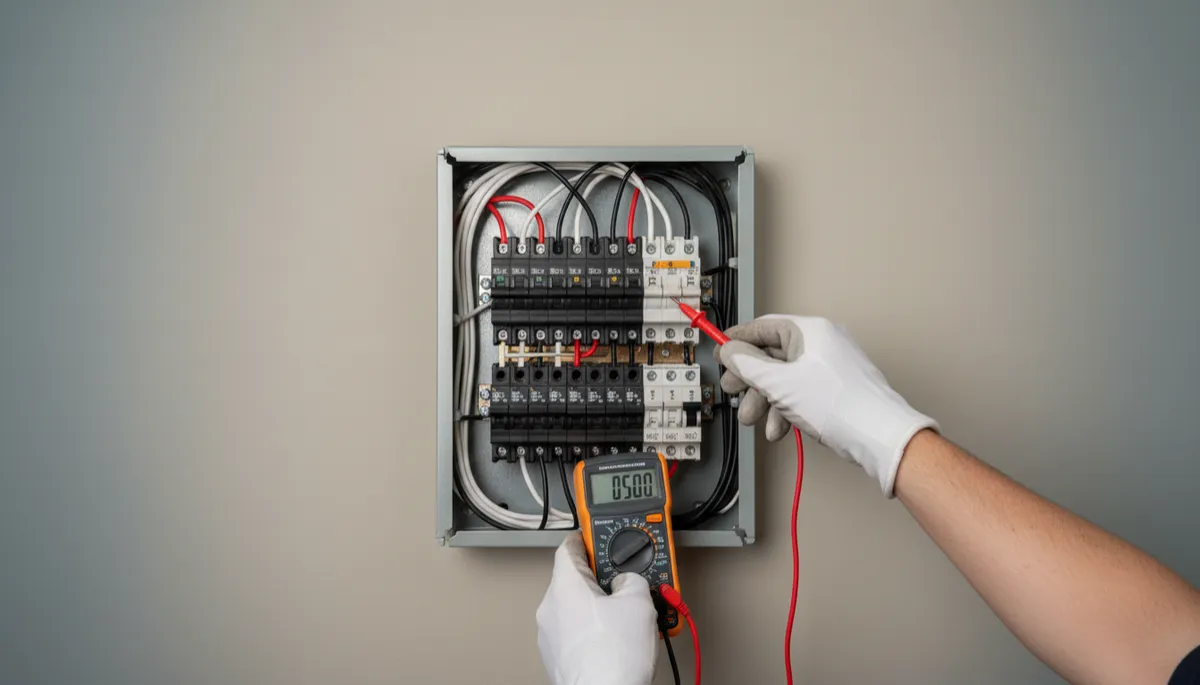
Proper testing at the breaker panel tells us if flickering starts at the source or in the branch wiring.
Cause #2 – Overloaded Circuit (Especially When the Space Heaters Come Out)
As soon as fall hits in Tupelo, Saltillo, and Mantachie, I start seeing the same pattern: folks plug in space heaters, electric fireplaces, and bigger TVs, and suddenly they notice their lights dip or flicker when those things turn on. That’s a classic sign of an overloaded circuit or a circuit that’s right on the edge of what it can comfortably handle.
Think of a circuit as a road. It’s designed to handle so much traffic. When you’ve got lights, outlets, maybe a microwave, and then you add a 1500-watt space heater on top of that, you’re suddenly pushing a lot of “cars” down that road. The result can be:
- Lights that dim or flicker when a big appliance kicks on (AC, heater, vacuum, microwave).
- Warm outlets or warm plugs on space heaters – that’s a red flag.
- Tripping circuit breakers when multiple things run at once.
I had a job in Verona where the living room lights would blink every time the homeowner’s window unit AC started. The whole living room – TV, lamps, AC, and a space heater in the winter – was on one 15-amp circuit. The wiring itself was in decent shape; the problem was the circuit just wasn’t designed for that much load. We split some of those outlets onto a new circuit from the panel, and the flicker disappeared because we took the stress off that one run.
Overloaded circuits aren’t just annoying. They create heat in the wiring and connections. Over time that heat can loosen connections, damage insulation, and lead to the next problem on the list: loose wiring.
Cause #3 – Loose Wiring at the Switch, Outlet, or Panel (The Dangerous One)
Now we’re getting into the part of the conversation where I stop telling homeowners to “take a look yourself” and start telling them, “Turn it off and call me.” Loose wiring is one of the most common reasons I see for flickering lights in older homes around Tupelo, Amory, and Mooreville – and it’s also one of the most dangerous if it’s ignored.
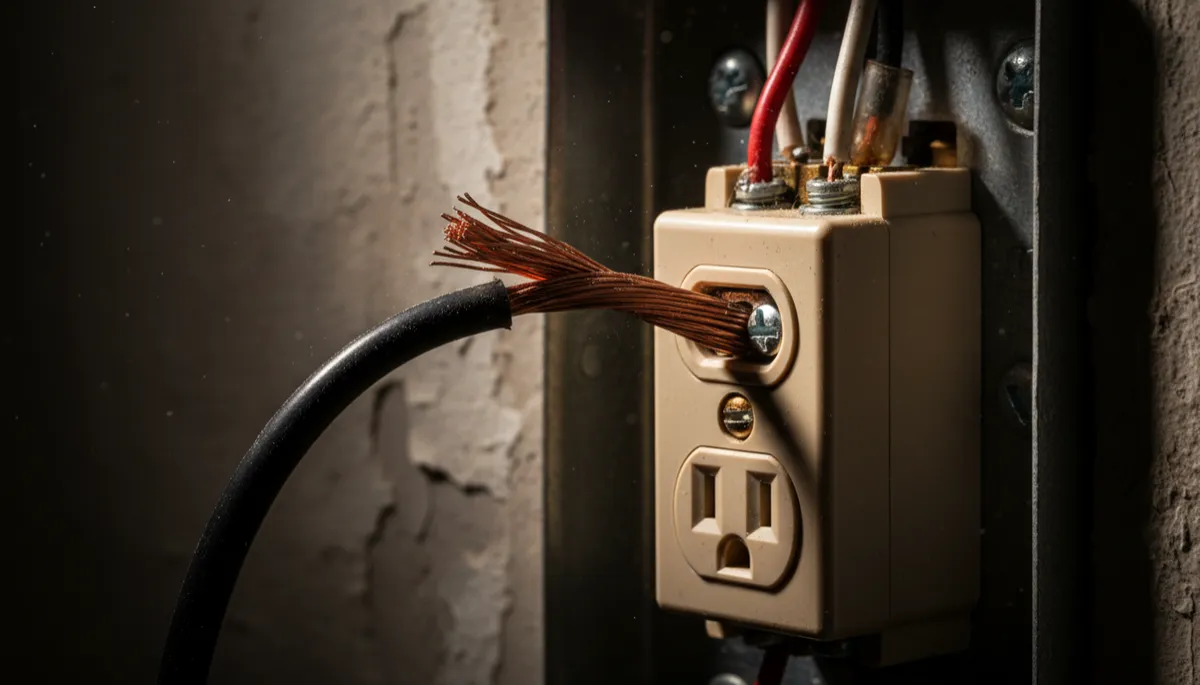
Loose connections can arc and overheat long before a breaker ever trips.
When a wire isn’t tight on a screw terminal or is barely hanging on in a backstab connection in a switch or outlet, electricity can “jump” across small gaps. That’s called arcing. You might hear a faint sizzle or buzzing at a switch, see a tiny flash when you flip it, or smell a faint burnt odor. The lights on that circuit may flicker, especially when you bump the switch or plug something in. That arcing creates heat, and heat plus wood framing and dust in a wall cavity is not something you want to gamble with.
I opened up a bedroom switch box in a Plantersville house not long ago where the homeowner complained about a “crackling” sound when they turned the light on. One of the hot wires was barely held in place. The insulation was browned and brittle, and the metal yoke of the switch was discolored from heat. That started as a flicker. Left alone, it could’ve turned into a fire.
Modern codes now require AFCI (Arc-Fault Circuit Interrupter) breakers on many circuits. These are special breakers that watch for the signature of arcing and trip before things get hot enough to cause a fire. If you’re in an older home in Tupelo or Fulton without AFCI protection, you don’t have that extra layer of safety. That doesn’t mean your house is going to burn down tomorrow, but it does mean that a flicker caused by loose wiring is something you should take seriously and get checked out sooner rather than later.
Cause #4 – Failing Electrical Panel or Loose Neutral (The “Whole House Flicker” Symptom)
When I walk into a home and the homeowner says, “Dan, it’s not just one room. The lights flicker all over the house,” my mind goes straight to two things: the electrical panel and the neutral connection. This is where the problem often stops being just one circuit and becomes a system-wide issue.
First, let’s talk panels. A lot of homes around Tupelo, New Albany, and the smaller towns still have older panels that are way past their prime. Some even have brands that are well-known problem children in my line of work – Federal Pacific and Zinsco panels, for example. These panels have a history of breakers not tripping when they should, loose bus connections, and overheating. I’ve opened some of these up and found melted plastic around the breakers and burn marks on the bus bars, all while the homeowner thought everything was “fine” except for a little flicker now and then.
Then there’s the neutral. Your electrical system has two hot legs and a neutral that carries the return current. When that neutral connection gets loose – either in the panel, at the meter, or somewhere in between – you can see some really strange behavior:
- Lights in one part of the house get brighter while others dim.
- Flickering that seems random and affects multiple rooms or even the whole house.
- Sensitive electronics acting up, tripping, or failing early.
I had a job in Amory where the homeowner said, “Sometimes my kitchen lights look like a movie theater dimming for the previews, and then they snap back bright again.” Turned out the main neutral lug in the breaker panel had loosened up over the years. Every time the load shifted between the two legs of the service, the voltage on one side would swing up and the other side would drop. That’s not something you fix with a bulb or even a new switch – that’s a “shut it down and tighten or repair under controlled conditions” job.
Cause #5 – Utility / Meter Side Issues (When It’s the Power Company’s Problem)
Not every case of lights flickering in house is inside your walls. Sometimes the problem is outside – at the meter base, on the service drop, or out on the utility lines. I’ve been called to homes in Mooreville and Mantachie where the flickering turned out to be a loose connection in the meter can or a bad splice on the overhead service drop where the power company’s lines tie into the house. In a few cases, it was an issue out on the street, affecting several houses on the same transformer.
Here are some clues it might be a utility-side problem:
- Your neighbors mention their lights flicker too, especially at the same times.
- You see your outside service drop moving a lot in the wind and notice flickering when it’s gusty.
- The meter base looks corroded, rusted, or damaged.
In those cases, I’ll often come out, test the system inside, and if everything checks out on your side, I’ll tell you straight: “You need to call the power company and open a ticket.” Sometimes they’ll tighten connections at the weatherhead or replace a bad transformer, and the flickering is gone. The key is not playing ping-pong between electrician and utility – you want clear testing so you know which side of the meter the problem is on.
When to Stop Troubleshooting and Call an Electrician
I’m all for homeowners doing simple checks. But there’s a point where guessing turns into gambling, and that’s not a good plan with electricity. Here’s a simple framework I give folks around Tupelo, Saltillo, and Verona when they call me about flickering lights.
- Start simple: If it’s one fixture only, try a new bulb and make sure it’s snug. If it’s a plug-in lamp, try a different outlet.
- Watch for patterns: Do the lights flicker when the AC, heater, microwave, or space heater turns on? That points toward a load or circuit issue.
- Use your senses: If you hear buzzing, sizzling, or smell something burnt at a switch, outlet, or light, stop right there. Shut off the breaker to that area and call an electrician.
- Check the scope: If multiple rooms or the whole house flicker, especially at random, you’re past DIY. That’s a panel, neutral, or utility issue that needs professional testing.
- Trust your gut: If something feels off – hot outlets, frequent breaker trips, lights that randomly get brighter or dimmer – it’s cheaper and safer to have it checked now than after something fails.
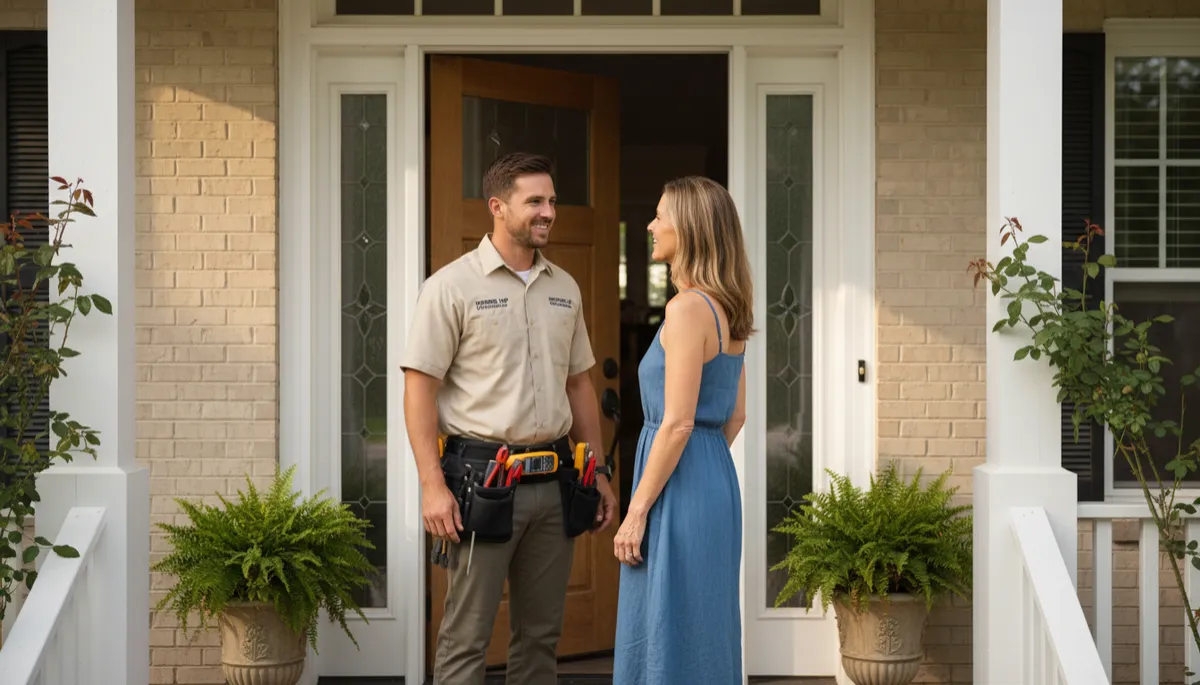
A quick on-site evaluation can separate minor annoyances from real safety concerns.
FAQ: What Homeowners Around Tupelo Ask Me About Flickering Lights
1. Is flickering lights a fire hazard?
It can be. Not every flicker means your house is about to catch fire, but certain causes are definitely fire risks. Loose wiring, bad connections in switches or outlets, and damaged fixtures can all create arcing and heat inside walls and boxes. That’s where fires start. If the flicker is new, getting worse, or paired with buzzing, crackling, or a burnt smell, treat it as a safety issue and get it checked quickly. If it’s a single LED bulb that occasionally blinks and you can trace it to a cheap bulb or a dimmer compatibility issue, that’s more of an annoyance than a hazard – but don’t assume. When in doubt, ask a pro to take a look.
2. Why do my lights flicker when the AC or heater kicks on?
Big equipment like central AC units, heat pumps, and even well pumps draw a lot of power when they first start up. That inrush of current can cause a brief voltage drop, and your lights will show it as a quick dim or flicker. A tiny, split-second dip once in a while can be normal. But if your lights noticeably dim every time the AC or heater starts – especially in multiple rooms – it could mean:
- The circuit feeding that equipment is undersized or shared with too many other loads.
- There’s a loose connection in the panel or at the equipment disconnect.
- Your service from the utility is marginal for what the house is trying to do.
In any of those cases, it’s worth having an electrician evaluate it. I’d rather tweak a circuit or tighten a lug in your panel in Tupelo today than replace burnt wiring later.
3. Can a loose neutral cause flickering?
Absolutely, and it’s one of the bigger things I look for when someone tells me their whole house flickers or some lights get brighter while others dim. A loose neutral can cause your voltage to swing up and down between circuits. That’s hard on your lights and really hard on electronics. It can happen inside your panel, at the meter, or even on the utility’s side. This is not something to poke at yourself. If you suspect a neutral issue – especially if you see weird behavior across multiple rooms – call a flickering lights electrician in Tupelo MS who knows how to test it safely and coordinate with the power company if needed.
4. How much does it cost to fix flickering lights?
It really depends on what’s causing the problem. I know that’s not the simple answer folks want, but I’ll give you some honest ranges from what I see around North Mississippi:
- Bad bulb / bad fixture: Sometimes it’s just the cost of a new bulb or light fixture plus a basic service call if you want me to handle it.
- Loose connection at a switch or outlet: Usually a straightforward repair once we locate it, often handled within a standard service visit unless there’s widespread damage.
- Overloaded circuit: Might just be a matter of moving some loads, or it might involve running a new circuit from the panel, which adds material and labor.
- Panel or service issues: If we’re talking about replacing an old, unsafe panel or upgrading your service, that’s a bigger project. It’s more money up front, but you’re also solving safety issues and adding capacity for the long haul.
I always walk homeowners through options before we touch anything. My goal is to match the fix to the problem and your budget, not to sell you something you don’t need.
5. My lights flicker only at night – why?
I hear this one from folks in neighborhoods around Tupelo and New Albany pretty often. There are a few possibilities:
- Load patterns: At night, more people in your area are home using ovens, dryers, TVs, and HVAC systems. That can cause more noticeable voltage fluctuations on the utility side.
- Lighting type: Some LED bulbs and dimmers don’t play well together and you notice it more at night when the lights are on longer and your eyes are adjusted to the dark.
- Temperature changes: As temps drop in the evening, more heating equipment cycles on, which can show up as flicker if circuits or connections are marginal.
If it’s mild and only shows up with certain cheap LED bulbs, swapping bulbs or dimmers might fix it. If it’s affecting multiple rooms or tied to big equipment starting up, it’s worth having me come out and take a look.
Bringing It All Together
Flickering lights are one of those things homeowners in North Mississippi tend to live with for way too long. I get it – life’s busy, and as long as the lights still work, it’s easy to push it down the list. But after years of crawling through attics in Tupelo, tracing circuits in Fulton, and opening up panels in Verona and Mooreville, I can tell you this: your lights are talking to you. Sometimes they’re saying, “Hey, this bulb’s about done.” Other times they’re saying, “We’ve got loose wiring, an overloaded circuit, or an aging panel that needs attention.”
Whether the cause is a loose bulb, an overloaded circuit with too many space heaters, loose wiring that’s starting to arc, an electrical panel flickering issue, or a loose neutral causing voltage swings, the sooner you figure it out, the better. It’s almost always cheaper and safer to solve the problem early than to wait until something fails in the middle of the night or damages your appliances – or worse.
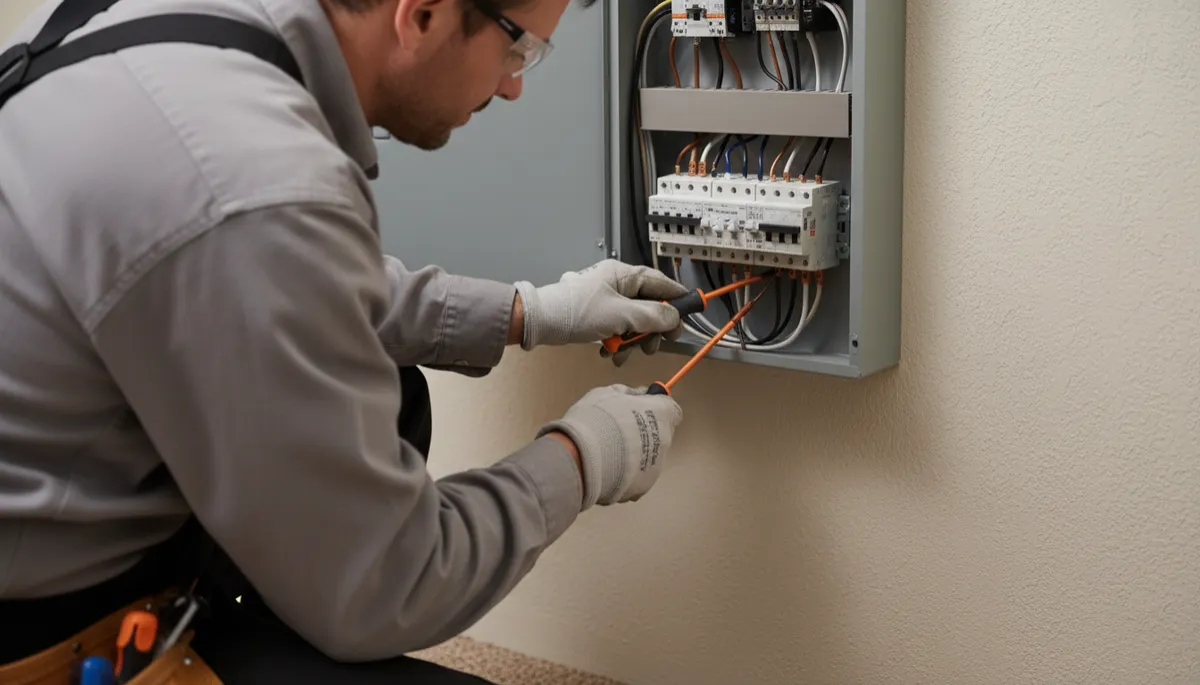
A thorough panel check often reveals the real reason your lights have been flickering.
Ready for Your Lights to Stop Flickering?
If your lights are flickering in Tupelo, Saltillo, Verona, Plantersville, Mooreville, Mantachie, Fulton, Amory, or New Albany – or anywhere else in North Mississippi – I’m happy to come out, track down the real cause, and lay out your options in plain language. No scare tactics, no upsell, just an honest assessment from someone who works on this stuff every day.
Give S.I. Service Group a call at 662-523-5514, and we’ll figure it out together. Your home will be safer, your lights will be steadier, and you won’t have to wonder what that flicker really means every time you flip a switch.