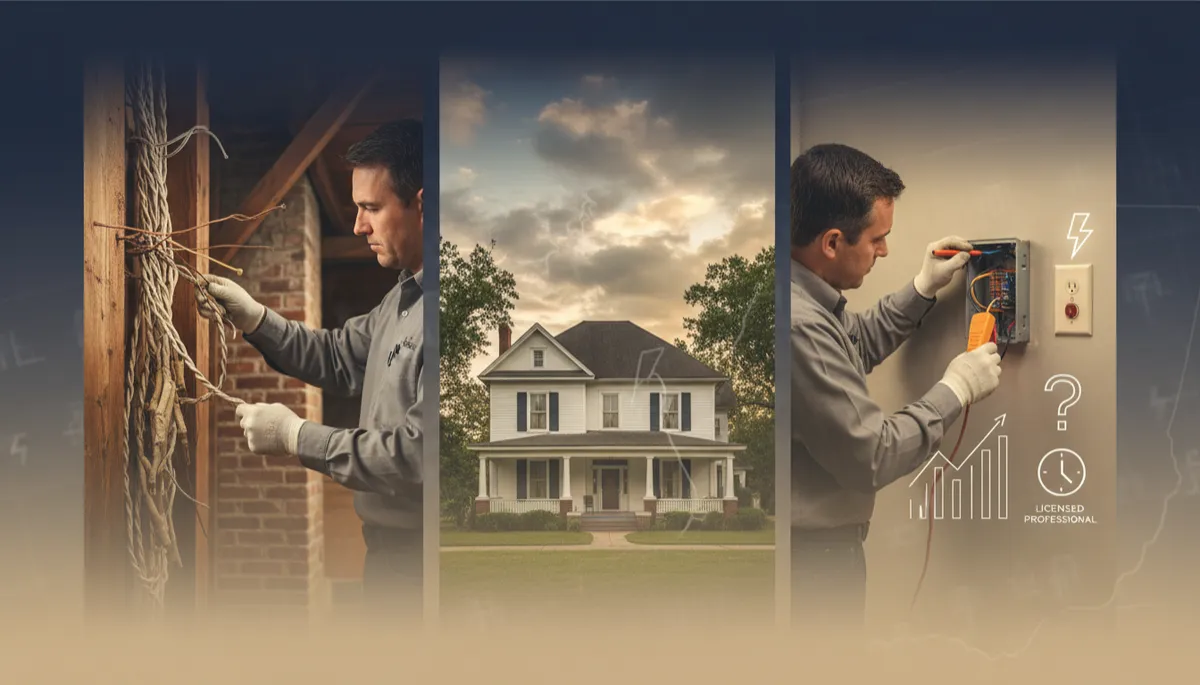
Guide to Electrical Issues in Older Mississippi Homes
Electrical, Older Homes, Tupelo MS, North Mississippi
The Complete Guide to Electrical Problems in Older Mississippi Homes
As licensed electricians serving Tupelo and North Mississippi, we work in older homes every single day. If your house was built before the 1980s, this guide will walk you through the most common electrical problems we see, what they mean for your family’s safety, and how S.I. Service Group can help you bring your system up to today’s standards without unnecessary stress or surprise costs.
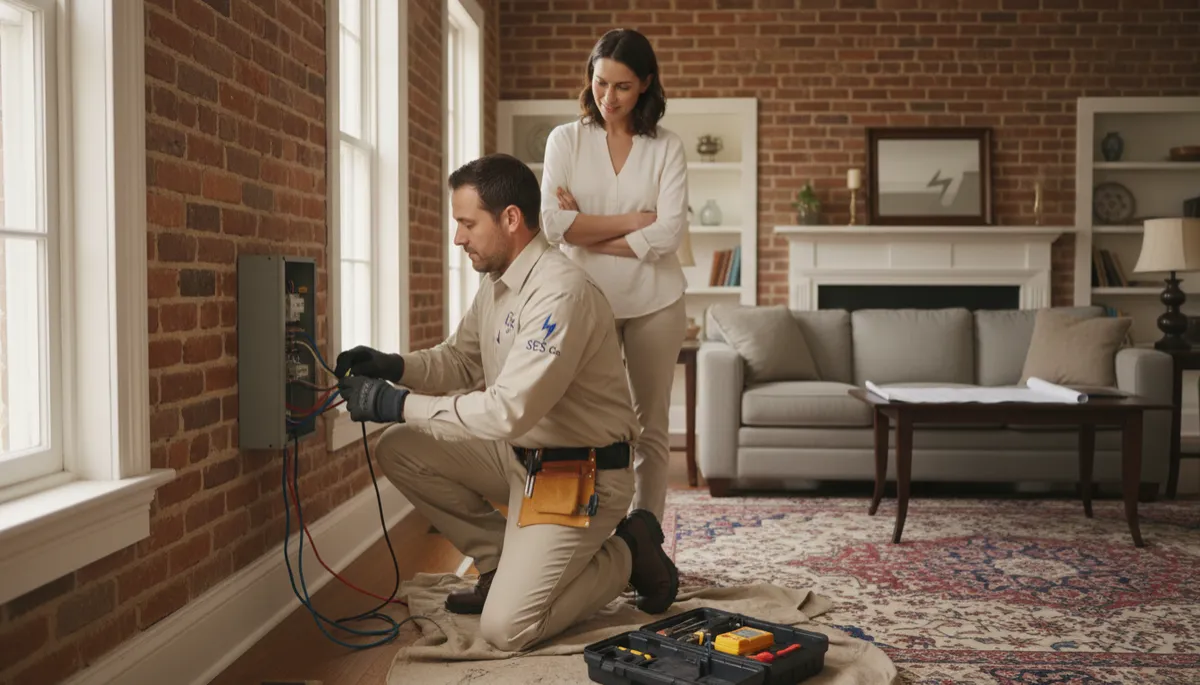
Why Older Mississippi Homes Need Special Electrical Attention
North Mississippi has a lot of character homes: mid‑century ranch houses in Tupelo, farmhouses outside town, and bungalows that have seen several generations. Many of these homes were wired long before today’s appliances, electronics, and National Electrical Code (NEC) requirements. The result is a system that may “still work,” but is often overloaded, outdated, and unsafe by modern standards.
At S.I. Service Group, we routinely find wiring methods that were acceptable in the 1940s, 1950s, and 1960s but are now recognized as fire and shock hazards. Our goal with this guide is to give you a clear, practical understanding of what might be hiding behind your walls, how to spot warning signs, and when it is time to bring in a licensed electrician in Tupelo, MS to make things right.
Common Electrical Problems in Pre‑1980s Mississippi Homes
When we inspect older homes around Tupelo and the surrounding North Mississippi communities, we tend to see the same issues over and over. If any of these sound familiar, your home is telling you it is time to take electrical safety seriously:
- Lights that flicker, dim, or brighten when large appliances turn on (like air conditioners or space heaters).
- Breakers that trip frequently or fuses that blow when you use hair dryers, microwaves, or window units on the same circuit.
- Two‑prong outlets with no ground, especially in bedrooms and living areas where you plug in electronics and extension cords.
- Warm or discolored outlets and switches, or cover plates that feel hot to the touch after use.
- Buzzing sounds from switches, receptacles, or areas of the wall when power is on or a device is plugged in.
- Extension cords and power strips used as permanent wiring because there are not enough outlets where you need them.
- Evidence of DIY “repairs”—taped splices in the attic, loose junction boxes, or mixed‑and‑matched breakers in the panel.
Outdated Wiring Types: Knob‑and‑Tube, Cloth‑Covered, and Aluminum Wiring
Knob‑and‑Tube Wiring in North Mississippi Homes
In the oldest homes we service—especially farmhouses and early‑1900s structures—we still find knob‑and‑tube wiring. This system uses ceramic knobs and tubes to route individual hot and neutral wires through wall cavities and attics. When it was installed correctly and left untouched, it performed reasonably well for the loads of that era. The problem is that your home’s electrical needs changed dramatically, but the wiring did not.
- Knob‑and‑tube has no ground wire, which means no safe path for fault currents and higher shock risk.
- The old rubber and cloth insulation becomes brittle over time, especially in hot Mississippi attics, leading to bare conductors and arcing.
- Many insurance companies either will not insure homes with active knob‑and‑tube circuits or will require proof of replacement.
In most cases, our recommendation is to plan a phased rewiring project to remove knob‑and‑tube entirely. At S.I. Service Group, we can prioritize the highest‑risk areas first—such as kitchens and bedrooms—and spread the work out to fit your budget while improving safety step by step.
Cloth‑Covered and Early NM Cable
Many mid‑century Tupelo homes use early non‑metallic (NM) cable with cloth or paper insulation. Over decades of heat and humidity, that insulation can crumble. We often find:
- Bare conductors exposed where the cloth has disintegrated near junction boxes or light fixtures.
- Brittle insulation that cracks when the cable is moved, such as during ceiling fan replacements or remodeling projects.
These issues are especially common in attics and crawl spaces, where temperature swings are extreme. When we see widespread deterioration, we typically recommend updating to modern NM‑B cable, which is rated for current NEC requirements and today’s typical loads.
Aluminum Branch‑Circuit Wiring from the 1960s and 1970s
In the late 1960s and early 1970s, some builders in Mississippi used aluminum wiring for 15‑ and 20‑amp branch circuits due to the high cost of copper at the time. Aluminum expands and contracts more than copper as it heats and cools, and it oxidizes differently at connection points. The result can be loose, high‑resistance connections that overheat and start fires, especially at outlets, switches, and splices.
- Signs of trouble include warm faceplates, flickering lights, and a faint burning smell near outlets under load.
- Not all aluminum wiring is an immediate emergency, but it does require special connectors and methods to be considered safe.
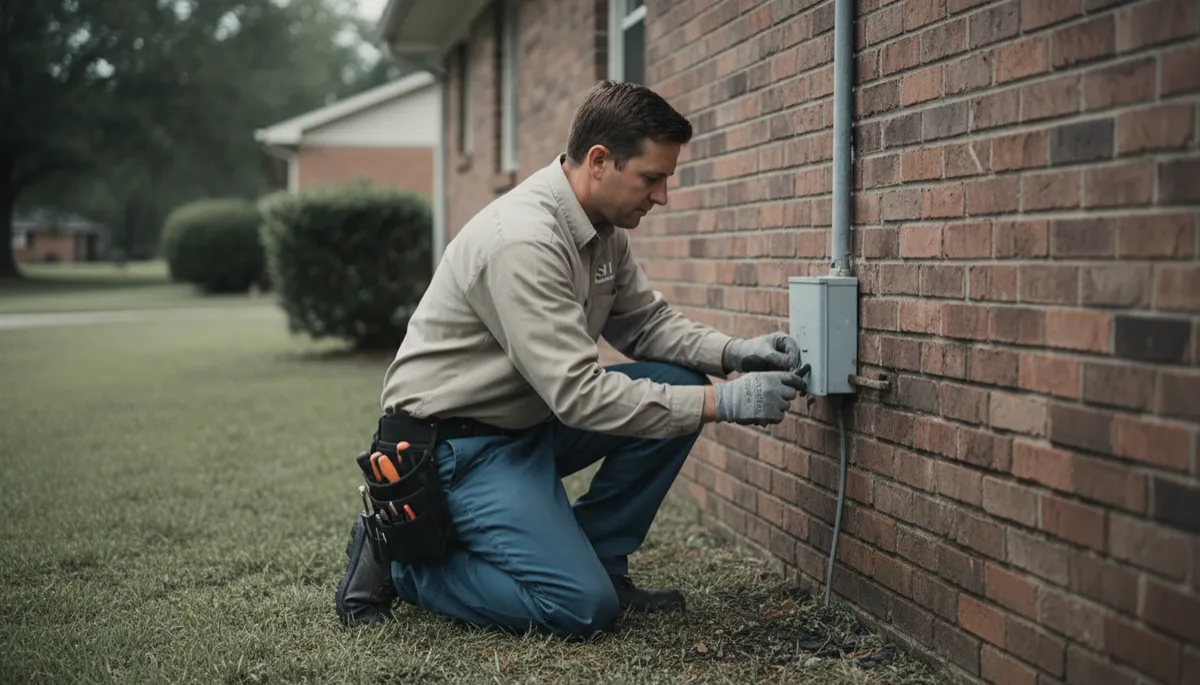
Careful inspection of older wiring reveals hidden hazards before they become emergencies.
We offer two main approaches for aluminum branch‑circuit wiring in North Mississippi homes: full rewiring with copper, or an approved “pigtailing” method using CO/ALR‑rated devices or special connectors. During an in‑home evaluation, we will explain both options, their costs, and what makes the most sense for your specific house and budget.
Tripping Breakers: Nuisance or Serious Warning?
Breakers are designed to trip when a circuit is overloaded or when a short circuit or ground fault occurs. In older homes, we see two main patterns around Tupelo:
- A single breaker that trips whenever you run certain combinations of appliances (for example, microwave plus toaster plus coffee maker).
- Random tripping on different circuits, sometimes accompanied by flickering lights or buzzing noises.
In the first case, the problem is usually that too much is wired onto one small circuit—very common in older kitchens and living areas that were never designed for today’s power demands. In the second case, we are more concerned about loose connections, damaged insulation, or failing breakers, all of which can be fire hazards.
On our S.I. Service Group website, we go deeper into the causes of breaker tripping in older homes and how we diagnose them. In many Tupelo houses, the long‑term solution is to add new circuits, split overloaded ones, or modernize the service and panel so your home can safely handle the way you actually live.
Panel Issues in Older North Mississippi Homes
Your electrical panel is the heart of your home’s power system. In many pre‑1980s homes around Tupelo, we still see:
- Fuse boxes with limited capacity, often using unsafe “cheater” methods to add more circuits than the box was designed for.
- Obsolete or recalled panel brands that have known problems with breakers failing to trip during faults.
- Overcrowded panels with double‑tapped breakers, mismatched breaker types, or rust and corrosion from moisture.
While we will not list specific panel brands here, we encourage homeowners in Tupelo and North Mississippi to schedule an electrical panel inspection if your home is older or if you have never had the panel evaluated by a licensed electrician. Often, we can spot issues such as overheating, loose neutral bars, or improperly sized breakers before they lead to serious damage.
Panel upgrades are one of the most common projects we complete for older homes. On siservicegroup.com, we provide additional information about what is involved in a panel replacement, how long it takes, and how it can increase both safety and resale value for your North Mississippi property.
GFCI and AFCI Requirements: Modern Protection for Older Houses
GFCI Protection: Guarding Against Shock
Ground‑Fault Circuit‑Interrupter (GFCI) protection has been required by the NEC for decades in wet and damp locations, and the list of required areas has grown over time. In an older Tupelo home that has never been updated, you may not have GFCI protection where today’s code expects it, including:
- Bathrooms and powder rooms
- Kitchen countertops and within six feet of sinks
- Laundry areas, utility sinks, and unfinished basements
- Garages, exterior outlets, and pool or spa areas
GFCIs monitor the flow of electricity and shut off power in a fraction of a second if they detect current leaking to ground—exactly what happens when a person becomes part of the circuit. Adding GFCI protection in required locations is one of the simplest, most cost‑effective safety upgrades you can make in an older home.
AFCI Protection: Guarding Against Electrical Fires
Arc‑Fault Circuit‑Interrupter (AFCI) breakers and outlets are designed to detect dangerous arcing conditions in wiring and shut off the circuit before the arc can ignite surrounding materials. The NEC now requires AFCI protection in many living spaces, including bedrooms and common areas. Older homes in Tupelo almost never have this protection unless they have been recently upgraded.
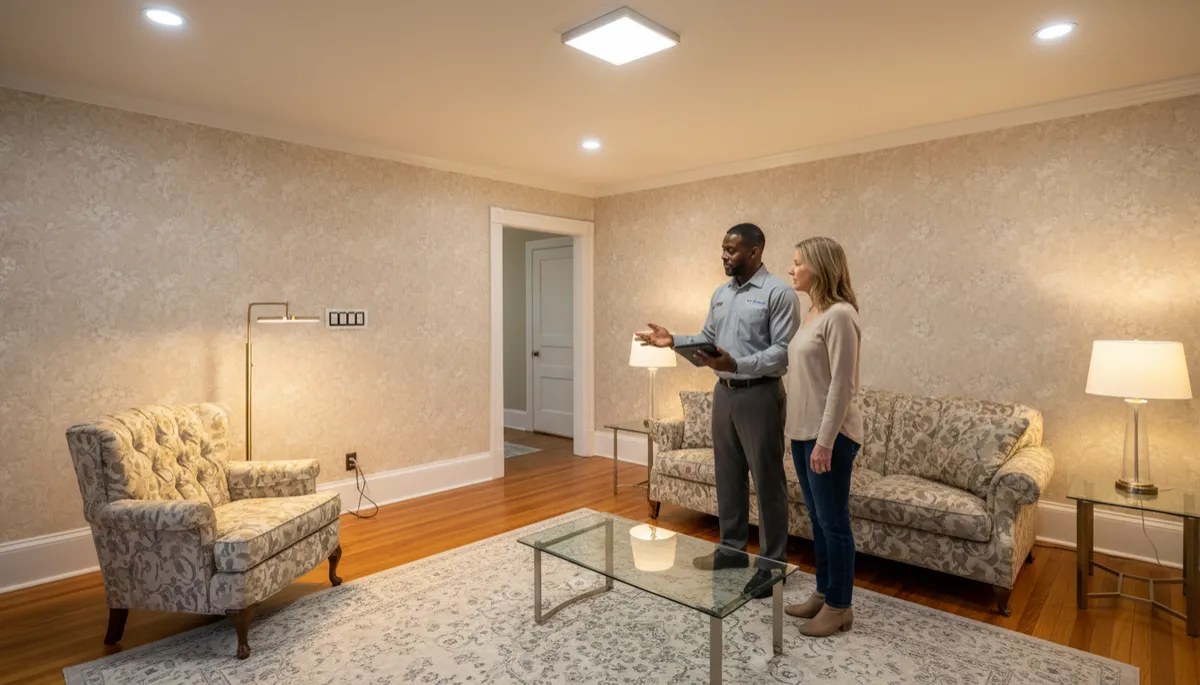
Upgrading to GFCI and AFCI protection adds modern safety without changing your home’s character.
At S.I. Service Group, we review your existing panel, outlet locations, and wiring to determine where GFCI and AFCI protection is required or strongly recommended. We then design an upgrade plan that balances code compliance, safety, and budget. Our articles on NEC code changes go into more detail on how these requirements have evolved and what they mean for older Mississippi homes.
Code Compliance for Older Homes in Tupelo and North Mississippi
One of the most common questions we hear is, “Does my home have to be brought up to the current electrical code?” The answer depends on what work is being done. Generally, existing installations that were legal when installed can remain, but any new work or major alterations must comply with the current NEC as adopted by your local jurisdiction in North Mississippi.
Here is how we approach code compliance in older homes:
- Safety‑First Mindset: Even if something is “grandfathered,” we will let you know when it presents a real safety risk and recommend upgrades, especially in areas like grounding, GFCI/AFCI protection, and overloaded circuits.
- Permitted Work: When you remodel a kitchen, bathroom, or add a room, the new wiring must meet current code. We design those projects so inspections go smoothly and you end up with a safe, compliant system that serves you well for decades.
- Resale and Insurance: Many buyers and insurers in Tupelo now expect certain minimum standards—proper grounding, modern panels, and GFCI protection. Upgrading before you sell can make your home more attractive and reduce surprises during the buyer’s inspection.
Our team keeps up with NEC updates and local amendments so you do not have to. When you hire S.I. Service Group, you get licensed electricians who know how to apply current code to real‑world older homes without unnecessary demolition or disruption whenever possible.
Electrical Safety Risks in Aging Mississippi Homes
It is easy to ignore electrical issues when the lights still come on. But the hidden risks in aging wiring are real, and they often build slowly over time. Some of the most serious dangers we see in older Tupelo homes include:
- Fire Hazards: Overheated connections, damaged insulation, and overloaded circuits can ignite wood framing, insulation, or stored items in attics and closets. Many electrical fires start silently inside walls or ceilings before anyone notices smoke.
- Shock Risks: Ungrounded outlets, missing covers, and lack of GFCI protection increase the chance of severe electric shock, especially in bathrooms, kitchens, and outdoor areas where moisture is present.
- Equipment Damage: Poor connections and voltage drops can shorten the life of expensive appliances, HVAC equipment, and electronics. Inconsistent power quality is hard on modern devices.
When to Call a Licensed Electrician in Tupelo, MS
We understand that homeowners like to be hands‑on, and there are small tasks—like resetting a tripped breaker or replacing a light bulb—that you can safely handle. But there are clear situations where you should stop and bring in a professional. Call S.I. Service Group or another licensed electrician in Tupelo if:
- You experience repeated breaker trips on the same circuit, especially under normal use.
- You see scorch marks, melted plastic, or discoloration on outlets, switches, or around light fixtures.
- You smell burning, hot, or “ozone” odors when certain lights or appliances are on.
- You are planning a remodel, addition, or new large appliance (like a tankless water heater or EV charger).
- You have an older home and have never had a comprehensive electrical inspection by a licensed electrician.
Our team offers thorough electrical inspections for older homes in Tupelo and across North Mississippi. We check wiring methods, grounding, GFCI/AFCI coverage, panel condition, and more, then provide a clear written report and prioritized recommendations so you can make informed decisions.
What to Expect: Costs for Common Electrical Upgrades in Older Homes
Every home is different, and we always provide project‑specific pricing after an on‑site evaluation. That said, it helps to have ballpark ranges so you know what to expect when planning improvements to your older Mississippi home. The estimates below are typical for the Tupelo and North Mississippi area and assume straightforward access and average conditions. Your actual costs may be higher or lower based on your home’s layout and needs.
- Electrical Safety Inspection: A full‑home electrical inspection for an older property generally falls in the low hundreds of dollars, depending on size and complexity. This is often the best first step if you are unsure where to start.
- GFCI/AFCI Upgrades: Adding or replacing GFCI or AFCI devices typically ranges from modest per‑device pricing plus service call, depending on whether they are breakers or receptacles and how many locations we are updating at once.
- Panel Replacement / Service Upgrade: Replacing an outdated panel with a modern breaker panel and, if needed, upgrading service capacity is usually a mid‑to‑high four‑figure project in our region. Factors include amperage, meter location, grounding upgrades, and coordination with the utility company.
- Partial Rewiring: Rewiring a single room (such as a kitchen or bathroom) or specific circuits to eliminate knob‑and‑tube or aluminum wiring can range widely based on access, wall finishes, and the number of devices. We often phase these projects to tackle the highest‑risk areas first and spread costs over time.
- Whole‑House Rewiring: Completely rewiring a pre‑1980s home is a significant investment, typically in the mid‑to‑high five‑figure range for many North Mississippi homes. However, it can dramatically improve safety, functionality, and resale value, especially when combined with a panel upgrade and additional outlets and lighting.
We are always upfront about pricing and options. During an on‑site visit, we will walk you through what we find, explain your choices in plain language, and help you prioritize work so you get the most safety and value for your budget.
How S.I. Service Group Approaches Older Home Electrical Projects
Working on older homes in Tupelo and across North Mississippi takes more than just technical skill. It requires respect for the home’s structure and character, and an understanding of how to upgrade safely without unnecessary damage. Our typical process includes:
- Initial Consultation and Inspection: We listen to your concerns, document symptoms (like tripping breakers or flickering lights), and perform a thorough visual and testing‑based inspection of the electrical system.
- Clear, Written Findings: You receive a straightforward explanation of what we found, including photos where helpful, and a prioritized list of recommended repairs or upgrades—from urgent safety issues to long‑term improvements.
- Phased Project Planning: For larger projects like panel upgrades or rewiring, we can break the work into phases, focusing first on the highest‑risk circuits or the areas you use most, such as kitchens, bedrooms, and living spaces.
- Professional Execution: Our licensed electricians protect your home with drop cloths and dust control, coordinate with local inspectors and utilities, and keep you informed throughout the project. We test thoroughly before we leave so you know everything is working correctly and safely.
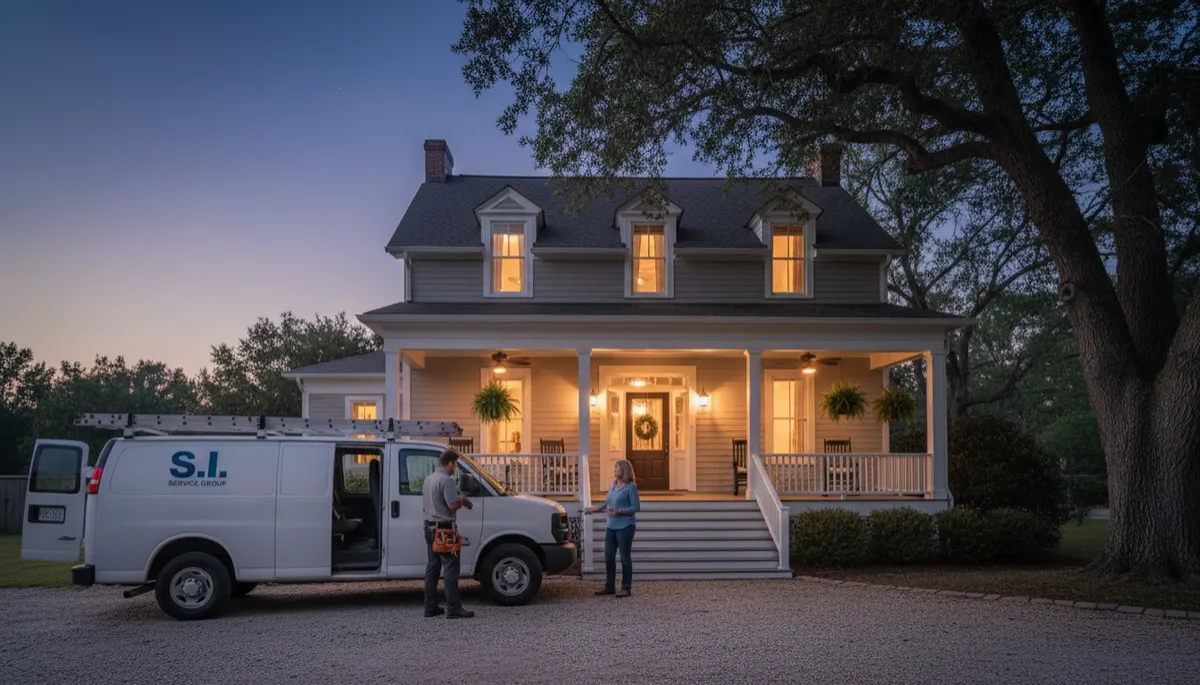
Local, licensed electricians who understand the unique needs of older Tupelo and North Mississippi homes.
Frequently Asked Questions About Electrical Problems in Older Mississippi Homes
1. Is it dangerous to live in a house with old wiring if everything “seems” to work?
The fact that lights turn on does not mean the wiring is safe. Many of the problems we find—like overheated connections, brittle insulation, and missing grounding—are invisible until they cause a serious issue. Older wiring may have been safe when installed, but decades of heat, moisture, and added loads change the picture. We recommend at least a professional inspection for any pre‑1980s home in Tupelo or North Mississippi, even if you are not seeing obvious symptoms yet.
2. Do I have to rewire my whole house all at once?
Not usually. While a full rewiring may be the ideal long‑term solution for some older homes, we often design phased plans. For example, we might start by eliminating knob‑and‑tube in bedrooms and living areas, then move on to the kitchen and other circuits in later phases. This approach spreads out costs and minimizes disruption while still addressing the highest safety risks first. We will talk through your options and help you decide what makes sense for your home and budget.
3. My breakers trip when I use the microwave and toaster together. Do I just need bigger breakers?
No. If a breaker is tripping due to overload, installing a larger‑amp breaker without upgrading the wiring is dangerous and violates code. The breaker is doing its job by protecting the wiring. The real solution is usually to add a dedicated circuit or redistribute loads so that high‑demand appliances are not all on the same small circuit. We can evaluate your panel and kitchen circuits and recommend a safe, code‑compliant fix that fits your needs.
4. Are two‑prong outlets still allowed in older homes in Tupelo?
Existing two‑prong outlets may be “grandfathered,” but they are not ideal from a safety standpoint. They lack a ground connection, which protects you and your equipment during faults. When we replace or add outlets, current code expects grounded or GFCI‑protected receptacles in most locations. In some cases, we can install GFCI receptacles on ungrounded circuits as an upgrade, but the best solution is usually to run new grounded circuits where possible. We will explain your options after inspecting your specific home’s wiring.
5. How often should I have the electrical system in my older home inspected?
For homes built before 1980, we recommend a comprehensive electrical inspection at least once if it has never been done, and again whenever you plan a major renovation, add significant new loads, or notice changes like flickering lights or frequent breaker trips. If your home is already upgraded and in good condition, periodic checkups every several years can catch developing issues early, especially in high‑load areas like kitchens and HVAC circuits.
6. Will upgrading my electrical system increase my home’s value?
In most cases, yes. Buyers in Tupelo and North Mississippi are increasingly aware of electrical safety and insurance requirements. A modern panel, grounded circuits, and visible upgrades like GFCI protection and adequate outlets make your home more attractive and can reduce issues during the buyer’s inspection. While every market is different, many of our customers see electrical upgrades as an investment that pays off in peace of mind, easier resale, and fewer surprises down the road.
7. Can I do my own electrical work in an older home if I am careful?
We strongly advise against DIY electrical work beyond very simple tasks like changing light bulbs or resetting breakers. Older homes often have hidden surprises—mixed wiring types, shared neutrals, or previous DIY splices—that can make seemingly simple projects dangerous. In addition, most significant electrical work requires permits and must meet current code. Hiring a licensed electrician protects your safety, ensures compliance, and helps avoid problems with insurance or future inspections.
8. How do I know if my panel needs to be replaced or just repaired?
Only a trained, licensed electrician can make that call after inspecting the panel. Some issues, like a single failing breaker or a loose connection, can be repaired. Others—such as obsolete or recalled panels, severe corrosion, chronic overheating, or a panel that is simply too small for your home’s needs—point toward replacement. During a panel inspection, we check brand, age, condition, available capacity, and how it is wired. We then explain whether a repair is reasonable or whether a full upgrade is the safest, most cost‑effective route for your Tupelo or North Mississippi home.
9. What is the first step if I am worried about the wiring in my older Mississippi home?
The best first step is to schedule a professional electrical inspection. At S.I. Service Group, we will walk through your home, test circuits, evaluate the panel, and look for signs of outdated or unsafe wiring. You will receive clear, practical recommendations tailored to your home in Tupelo or anywhere in North Mississippi. From there, we can help you plan any needed repairs or upgrades in a way that fits your priorities and budget.
Protect Your Older Tupelo Home with a Trusted Local Electrician
Older homes give Tupelo and North Mississippi a lot of their charm, but they also come with responsibilities—especially when it comes to electrical safety. Outdated wiring, tripping breakers, aging panels, and missing GFCI or AFCI protection are not problems to ignore. They are opportunities to make your home safer, more comfortable, and better prepared for the way you live today.
As licensed electricians based in Tupelo, S.I. Service Group understands the unique challenges of pre‑1980s homes in our region. Whether you need a simple safety inspection, help tracking down a stubborn breaker problem, a panel upgrade, or a complete rewiring plan, we are here to help you every step of the way. Visit siservicegroup.com to learn more about breaker troubleshooting, panel upgrades, whole‑house rewiring, NEC code changes, and electrical inspections—or contact us today to schedule a visit to your North Mississippi home.